Bitcoin Defies Geopolitical Tensions as Inflation Fears Loom Over Oil Supply

Key Takeaways
- Bitcoin price remained relatively stable despite heightened geopolitical tensions in the Middle East.
- Analysts are eyeing a potential Bitcoin price target of $74,000.
- Concerns are growing about a possible surge in U.S. inflation, potentially reaching 5%, driven by rising oil prices and supply chain disruptions.
- Iran's threats to close the Strait of Hormuz add another layer of uncertainty to the global economic outlook.
Bitcoin exhibited unexpected stability over the past weekend, navigating a landscape fraught with geopolitical uncertainty. While traditional financial markets braced for potential fallout from escalating tensions in the Middle East, the leading cryptocurrency largely shrugged off the volatility. This resilience has prompted some analysts to revise their Bitcoin price targets upward, with projections now reaching as high as $74,000.
The relative calm in the Bitcoin market contrasts sharply with anxieties surrounding traditional financial instruments. U.S. stock market futures experienced a dip, reflecting concerns about the potential impact of the Middle East crisis on the global economy. The weekend's closure of traditional markets prevented an immediate and full reaction to the unfolding events.
Adding to the unease is the potential for a significant increase in oil prices. Iran's pronouncements regarding the Strait of Hormuz, a crucial artery for global oil shipments, have triggered fears of supply disruptions. Should the Strait be closed or face significant restrictions, the resulting surge in oil prices could have far-reaching consequences for inflation worldwide.
The Kobeissi Letter, a trading resource, highlighted research from JPMorgan suggesting that the U.S. Consumer Price Index (CPI) could potentially jump to 5%. Such a sharp increase in inflation would likely prompt the Federal Reserve to reconsider its monetary policy, potentially leading to further interest rate hikes. The last time the U.S. experienced inflation at 5% was in March 2023, a period marked by aggressive rate hikes by the Fed.
While some analysts believe that the market had already factored in a degree of geopolitical risk, the situation remains fluid and unpredictable. The potential for further escalation in the Middle East, coupled with the looming threat of oil supply disruptions, creates a complex and challenging environment for investors.
Crypto analyst Michaël van de Poppe noted the initial positive reaction in the crypto market, followed by a subsequent correction. He highlighted the importance of monitoring key technical levels, such as Bitcoin's 21-day simple moving average, and gaps in the CME Group's Bitcoin futures market.
Why it matters
The intersection of geopolitical instability, rising oil prices, and the potential for increased inflation poses a significant risk to the global economy. Bitcoin's ability to withstand these pressures, at least in the short term, suggests its growing role as a potential safe-haven asset. However, the long-term implications of these events remain uncertain, and investors should exercise caution and conduct thorough research before making any investment decisions.
Michelle Ross
Crypto Market LeadTracking the blockchain revolution since 2013. HODLing through the highs and lows.
Read Also

Congress Targets Prediction Markets Amid Insider Trading Fears Over US-Iran Conflict
Lawmakers are moving to restrict prediction markets, citing concerns that individuals with privileged information are exploiting platforms like Polymarket for financial gain amidst escalating tensions between the US, Israel, and Iran. The proposed legislation aims to prevent betting on sensitive government operations and potential acts of war, raising questions about the future of these controversial platforms.
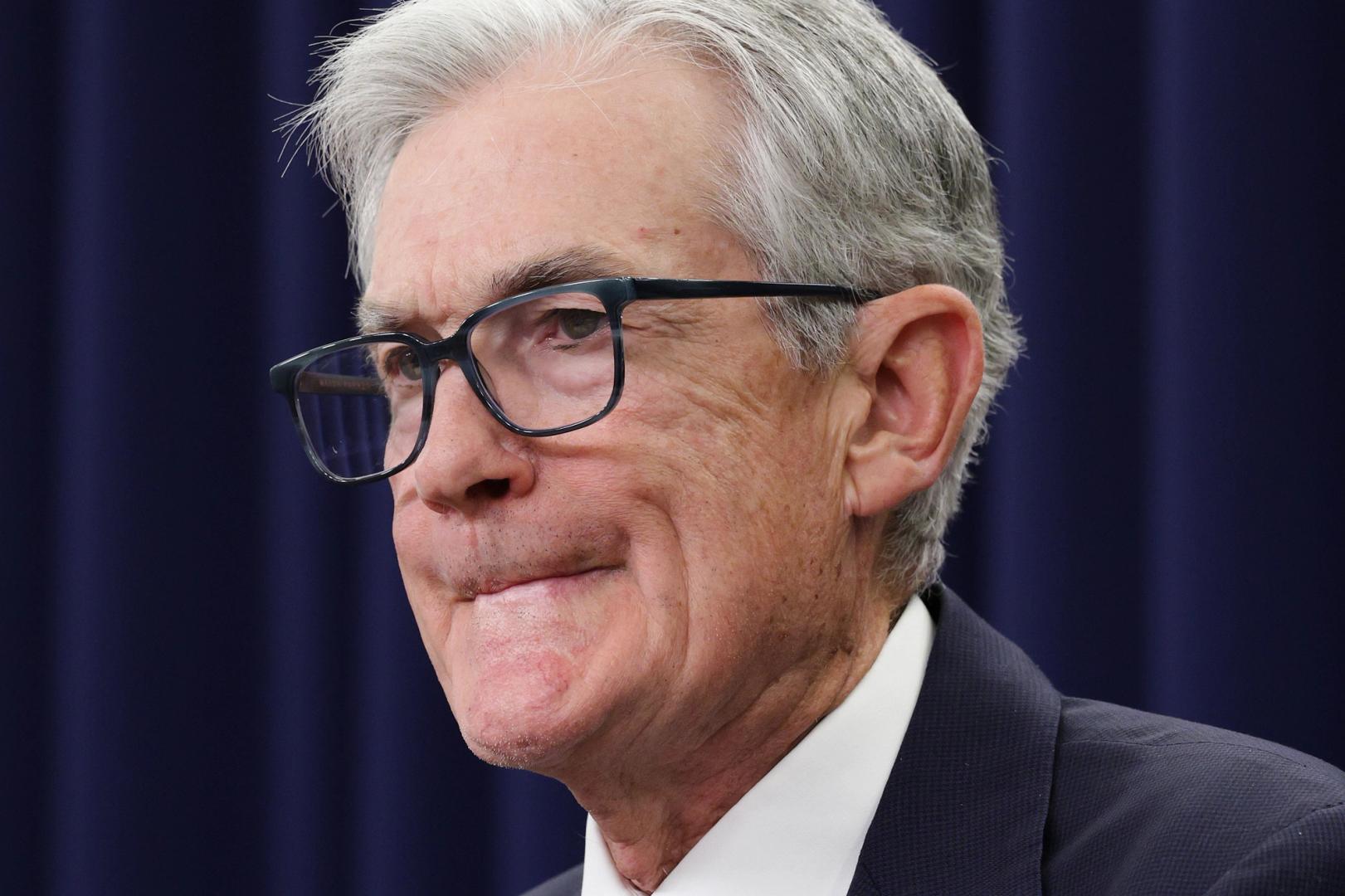
Bitcoin Braces for Impact: Fed's Rate Decision Looms Over Crypto Rally
Bitcoin's recent surge is facing a crucial test as the Federal Reserve prepares to announce its latest interest rate decision. Investors are keenly watching for signals about future monetary policy, with implications for both crypto and traditional markets. The Fed's stance on inflation, particularly in light of rising oil prices, will be pivotal.

Bitcoin's Ascent: ETF Investors Near Breakeven as Bullish Signals Flash
Bitcoin's resurgence above $70,000 is putting spot Bitcoin ETF investors on the cusp of profitability, potentially reigniting the crypto bull market. On-chain metrics and exchange data are aligning, suggesting a shift from selling pressure to renewed accumulation. Is this the start of the next major surge?

Bitcoin's Treasury Reckoning: From Hype Machines to Active Asset Management
The era of simply hoarding Bitcoin and watching valuations swell is over for publicly traded treasury companies. A significant market correction is forcing these firms to evolve beyond passive accumulation and embrace sophisticated strategies to generate real returns, or face obsolescence. The future belongs to those who treat Bitcoin as a productive asset, not just a speculative one.