Hardware Wallet Users Targeted in Sophisticated Snail Mail Phishing Campaign

Users of popular cryptocurrency hardware wallets, Ledger and Trezor, are reporting a resurgence of sophisticated phishing attacks conducted via traditional mail. These physical letters, designed to resemble official communications, attempt to trick recipients into divulging their sensitive seed recovery phrases, the keys to accessing their crypto assets. The scams exploit data leaked in previous breaches, underscoring the long-term consequences of security vulnerabilities.
The latest reports detail letters crafted to appear as urgent notices from either Ledger or Trezor, demanding users perform an 'Authentication Check' or 'Transaction Check.' These letters typically include a QR code or URL that leads to a fake website mimicking the official interfaces of the hardware wallet providers. Cybersecurity expert Dmitry Smilyanets recently shared an example of a letter purporting to be from Trezor, complete with a hologram and a QR code redirecting to a malicious site. The letter even falsely claimed to be signed by 'Matěj Žák,' misidentified as the CEO of Ledger, while the real Matěj Žák leads Trezor.
These fraudulent websites are designed to trick users into entering their 12 or 24-word recovery phrases. Once entered, this crucial information is transmitted to the attackers, who can then import the victim's wallet onto their own device and drain the cryptocurrency holdings. This method bypasses the hardware wallet's physical security features, making users' negligence the weakest link in the security chain.
It's critical to remember that legitimate hardware wallet companies like Ledger and Trezor will *never* request a user's recovery phrase through any means, whether it be a website, email, phone call, or postal mail. Users should always be extremely suspicious of any communication asking for their recovery phrase and independently verify any requests through official channels.
Ledger and Trezor have both suffered significant data breaches in recent years, exposing customer contact information, including physical addresses. These breaches have provided scammers with the data necessary to launch targeted phishing campaigns. In January 2024, Trezor disclosed a breach that exposed the contact details of nearly 66,000 users. Ledger has faced even larger breaches, resulting in the leak of customer names, addresses, phone numbers, and email addresses.
While a downturn in the crypto market might be expected to decrease crypto-related scams, cybersecurity experts note that scams simply evolve and adapt. As Deddy Lavid, CEO of Cyvers, explained to Cointelegraph, opportunistic hacks might slow down during bear markets, but social engineering and impersonation scams often increase as scammers attempt to take advantage of user uncertainty and fear. This latest snail mail phishing campaign is a prime example of this adaptive strategy. Users must remain vigilant and educate themselves about the latest scam tactics to protect their crypto assets.
Past iterations of these scams have included counterfeit hardware wallets mailed to victims and fake Ledger Live apps designed to steal seed phrases. This persistent threat environment underscores the importance of proactive security measures, including using strong passwords, enabling two-factor authentication, and remaining skeptical of unsolicited communications.
Michelle Ross
Crypto Market LeadTracking the blockchain revolution since 2013. HODLing through the highs and lows.
Read Also

SEC Explores 'Safe Harbor' for Crypto: A Potential Game-Changer for Innovation?
The Securities and Exchange Commission is considering establishing 'safe harbor' exemptions for cryptocurrency companies, potentially offering a pathway to regulatory clarity and fostering innovation. This move could significantly alter the landscape for crypto startups seeking to raise capital within the US.

Stratton Thwarts Crypto-Fueled Challenge in Illinois Senate Primary Upset
In a closely watched Illinois Senate primary, Lieutenant Governor Juliana Stratton secured a decisive victory over Representative Raja Krishnamoorthi, despite a massive influx of crypto-backed funding supporting her opponent. The outcome signals a potential shift in the influence of digital currency interests in state-level elections.

Bitrefill Targeted by Lazarus Group Cyberattack: Customer Data and Funds at Risk
Cryptocurrency e-commerce platform Bitrefill has confirmed a sophisticated cyberattack, pointing fingers at the notorious North Korean hacking collective, Lazarus Group. The breach exposed sensitive customer purchase records and led to a loss of funds, highlighting the persistent vulnerability of even security-conscious crypto businesses.
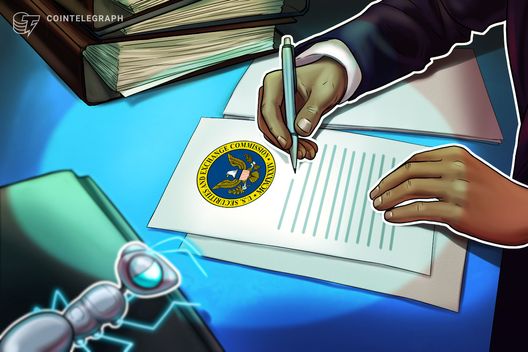
SEC Signals Shift: Most Crypto Assets Escape Securities Regulation
In a move signaling a potentially seismic shift in cryptocurrency oversight, the SEC has indicated it will treat the majority of crypto assets as non-securities under federal law. This interpretive guidance, a first step since collaborating with the CFTC, aims to clarify the regulatory landscape amidst ongoing legislative efforts to define digital asset market structures.