Middle East Unrest Triggers Crypto and Sports Event Chaos, Jeopardizing Multi-Million Dollar F1 Sponsorships
Key Takeaways
- Major crypto events like TOKEN2049 Dubai and TON Gateway Dubai have been postponed or cancelled due to regional instability.
- Formula 1 races in Bahrain and Saudi Arabia face cancellation due to safety concerns, disrupting the sport's calendar and related sponsorships.
- The disruptions extend beyond crypto and sports, impacting other business events and raising concerns about the stability of the Middle East as a global hub.
- The cancellations threaten the visibility and ROI of multi-million dollar cryptocurrency sponsorships within Formula 1, particularly for exchanges targeting the Gulf market.
The Middle East's escalating geopolitical instability is sending shockwaves through the global events calendar, forcing organizers to postpone or outright cancel major gatherings. The ripple effects are particularly pronounced in the cryptocurrency sector and Formula 1 racing, where significant investments and strategic partnerships are at stake.
TOKEN2049 Dubai, a flagship crypto conference drawing over 15,000 attendees, has been pushed back a staggering three years to April 2027, citing safety concerns and logistical uncertainties. Similarly, TON Gateway Dubai, focused on The Open Network ecosystem, has been completely scrapped, with full refunds issued to ticket holders. These cancellations underscore the tangible impact of regional conflict on the crypto industry's ability to convene and collaborate in the region.
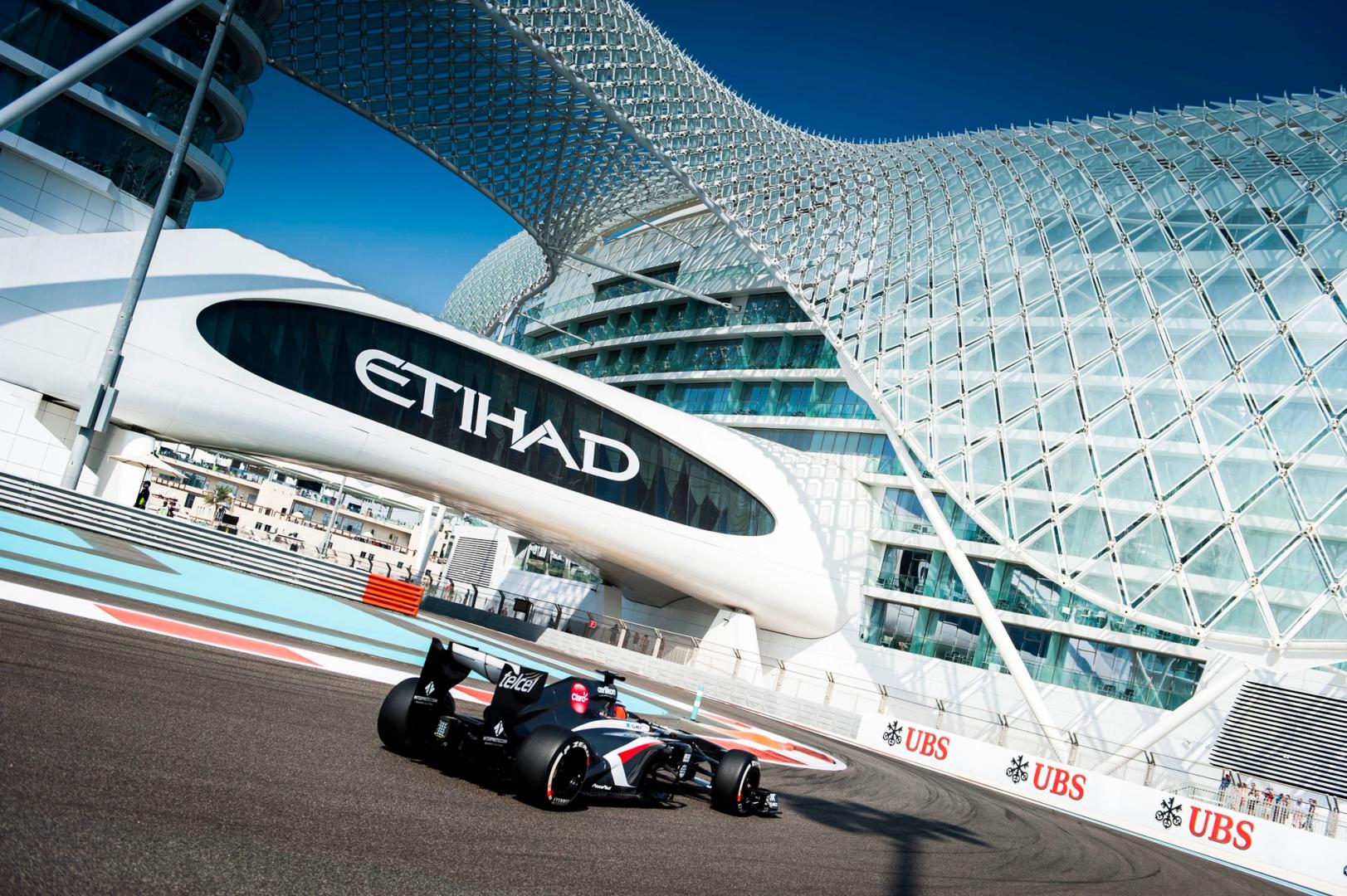
The high-octane world of Formula 1 is also feeling the heat. The Bahrain and Saudi Arabian Grand Prix races, slated for April, are reportedly on the verge of cancellation due to heightened security risks, including potential military strikes and airspace disruptions. An official announcement from Formula 1 and the FIA is anticipated imminently. While later Middle East races, such as the Qatar and Abu Dhabi Grand Prix, remain scheduled for now, their fate hangs precariously in the balance as organizers closely monitor the volatile situation.
These potential F1 cancellations carry significant financial implications, particularly for cryptocurrency companies that have poured millions into sponsorships. Exchanges like OKX, a primary partner of McLaren, and Crypto.com, a global Formula 1 partner through 2030, rely on these races to generate brand awareness and reach a global audience, with a particular focus on the rapidly growing Middle Eastern crypto market. The absence of these races could severely curtail the return on investment for these sponsorships.
Beyond crypto and motorsport, other major business events in the UAE are also experiencing disruptions. Middle East Energy Dubai has been rescheduled for September, Affiliate World Global postponed its Dubai edition to 2027, and the Dubai International Boat Show has delayed its next event indefinitely. These widespread postponements highlight the broader economic impact of the regional instability.
Dubai, which has positioned itself as a leading crypto hub, faces unique challenges. Its tax-friendly environment and dedicated regulatory authority, the Virtual Assets Regulatory Authority (VARA), have attracted numerous exchanges and Web3 companies. However, the current instability threatens to undermine Dubai's appeal as a safe and reliable base for crypto operations.
Why it matters
The widespread event cancellations and postponements in the Middle East highlight the vulnerability of global industries to regional conflicts and geopolitical instability. The situation underscores the need for businesses to diversify their geographic footprint and develop contingency plans to mitigate risks associated with operating in volatile regions. For the crypto industry, the disruption of Formula 1 sponsorships raises fundamental questions about the effectiveness of these marketing strategies in the face of unforeseen global events and the importance of adapting to rapidly changing circumstances.
Michelle Ross
Crypto Market LeadTracking the blockchain revolution since 2013. HODLing through the highs and lows.
Read Also

SEC Explores 'Safe Harbor' for Crypto: A Potential Game-Changer for Innovation?
The Securities and Exchange Commission is considering establishing 'safe harbor' exemptions for cryptocurrency companies, potentially offering a pathway to regulatory clarity and fostering innovation. This move could significantly alter the landscape for crypto startups seeking to raise capital within the US.
Stratton Thwarts Crypto-Fueled Challenge in Illinois Senate Primary Upset
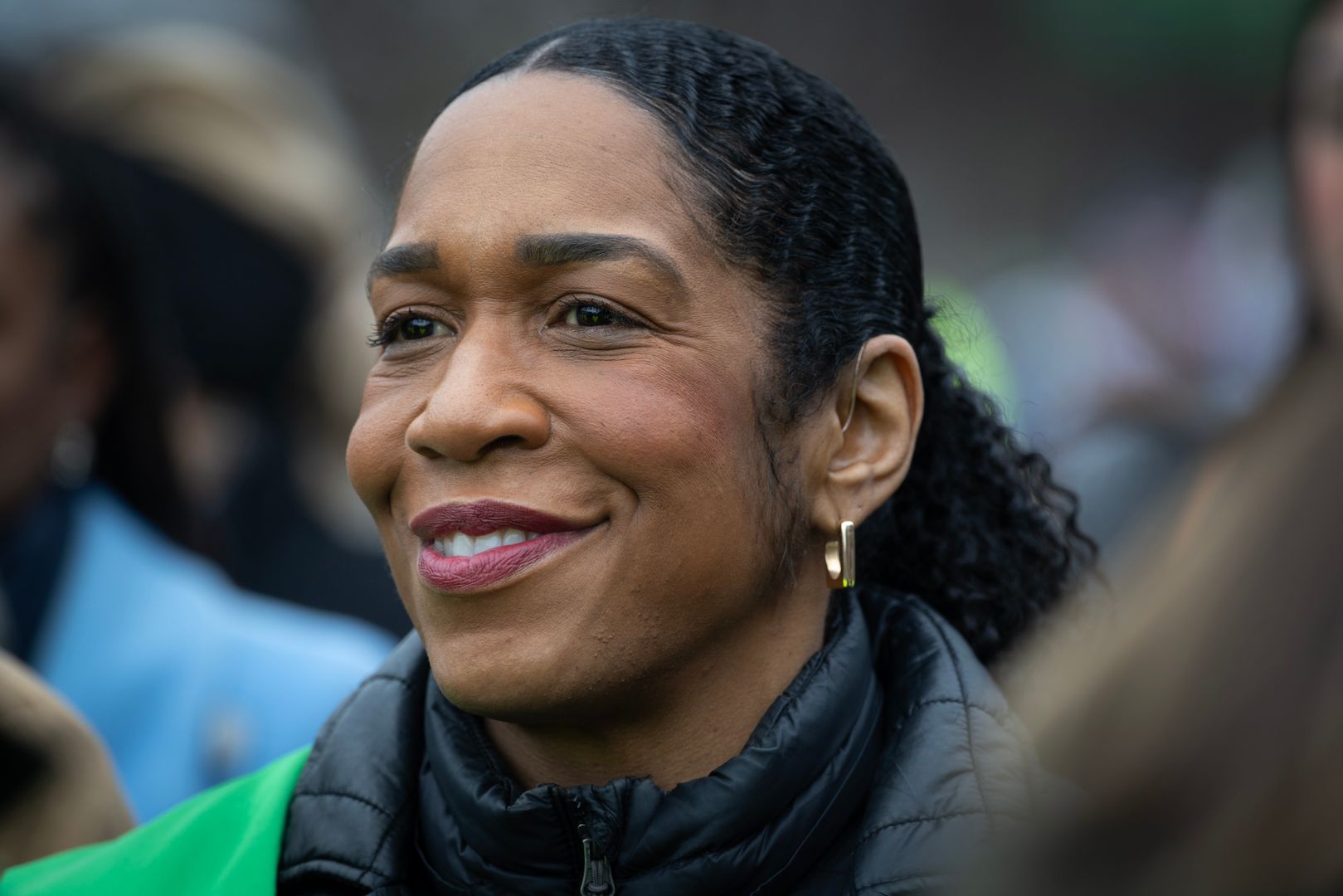
In a closely watched Illinois Senate primary, Lieutenant Governor Juliana Stratton secured a decisive victory over Representative Raja Krishnamoorthi, despite a massive influx of crypto-backed funding supporting her opponent. The outcome signals a potential shift in the influence of digital currency interests in state-level elections.

Bitrefill Targeted by Lazarus Group Cyberattack: Customer Data and Funds at Risk
Cryptocurrency e-commerce platform Bitrefill has confirmed a sophisticated cyberattack, pointing fingers at the notorious North Korean hacking collective, Lazarus Group. The breach exposed sensitive customer purchase records and led to a loss of funds, highlighting the persistent vulnerability of even security-conscious crypto businesses.
SEC Signals Shift: Most Crypto Assets Escape Securities Regulation
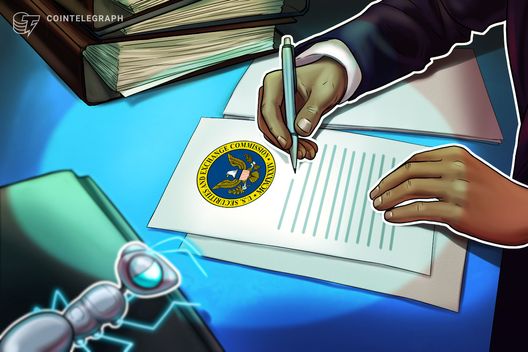
In a move signaling a potentially seismic shift in cryptocurrency oversight, the SEC has indicated it will treat the majority of crypto assets as non-securities under federal law. This interpretive guidance, a first step since collaborating with the CFTC, aims to clarify the regulatory landscape amidst ongoing legislative efforts to define digital asset market structures.