NEAR Co-founder Foresees AI Agents as the Unseen Masters of Blockchain Finance

Key Takeaways
- AI agents are poised to become the dominant users of blockchain technology, eclipsing human interaction with the underlying infrastructure.
- Blockchain's role will shift towards providing a neutral, secure, and programmable financial backbone for AI-driven applications.
- Current crypto experimentation with AI, particularly speculative tokens, is distracting from the technology's true potential.
- Decentralized Autonomous Organizations (DAOs) require clearly defined problems and economic incentives to succeed, a lesson often overlooked.
- The cultural divide between AI and crypto, fueled by memecoins and scams, hinders collaboration and innovation.
Illia Polosukhin, the co-founder of NEAR Protocol, predicts a significant paradigm shift in the blockchain landscape. He argues that artificial intelligence will soon act as the primary interface for all things digital, including cryptocurrencies, effectively masking the complexities of wallets, transaction hashes, and blockchain explorers from everyday users.
According to Polosukhin, the focus should be on abstracting the underlying technology. Instead of directly interacting with blockchain protocols, individuals will engage with AI agents that autonomously execute payments, manage digital assets, coordinate services, and participate in governance systems on their behalf.
This vision contrasts sharply with the recent surge in AI-themed crypto projects centered on speculative tokens and trading bots. Polosukhin believes that blockchain's inherent financial capabilities will be best utilized by providing a neutral and reliable financial infrastructure for AI systems.
He is critical of the current approach to both AI and governance within the crypto space. Polosukhin contends that the industry often proposes technical solutions without first identifying the core problems they aim to solve. He cites the struggles of DAOs as an example, emphasizing the need for clearly defined objectives and economic incentives to drive effective decentralized governance.
Polosukhin also highlights the cultural clashes between the AI and crypto communities, pointing to the proliferation of memecoins and scams as a significant barrier to collaboration. He suggests that these activities have damaged the industry's reputation and alienated serious AI researchers.
Looking ahead, Polosukhin anticipates a convergence of AI and blockchain focused on infrastructure development. As AI systems become more autonomous in managing finances and coordinating services, the need for secure execution, privacy, and programmable financial coordination will increase, making blockchain an essential component.
Ultimately, Polosukhin envisions a future where AI serves as the operating system of the internet, with blockchain acting as the invisible settlement layer that ensures trust and security behind the scenes.
Why it matters
If Polosukhin's vision materializes, it signifies a fundamental change in how we interact with blockchain technology. Instead of being a visible and often complex system, blockchain will become a seamless and secure foundation for AI-driven applications, potentially unlocking widespread adoption and transforming various industries.
Alex Chen
Senior Tech EditorCovering the latest in consumer electronics and software updates. Obsessed with clean code and cleaner desks.
Read Also

Australia's $17 Billion Crypto Opportunity: Regulatory Hurdles Threaten Digital Asset Boom
Australia stands to gain a massive AUD 24 billion annually by embracing tokenized markets and digital assets, but current regulatory bottlenecks are stifling progress. A new report highlights the urgent need for clearer guidelines and collaborative frameworks to unlock the nation's full potential in the evolving digital finance landscape.

AI Startup Valuations: The Two-Tiered Mirage of Unicorn Status
As the artificial intelligence sector intensifies, a controversial funding tactic is emerging: selling equity at dramatically different prices within the same round. This strategy, designed to project market dominance and achieve unicorn status quickly, raises questions about long-term sustainability and investor confidence.
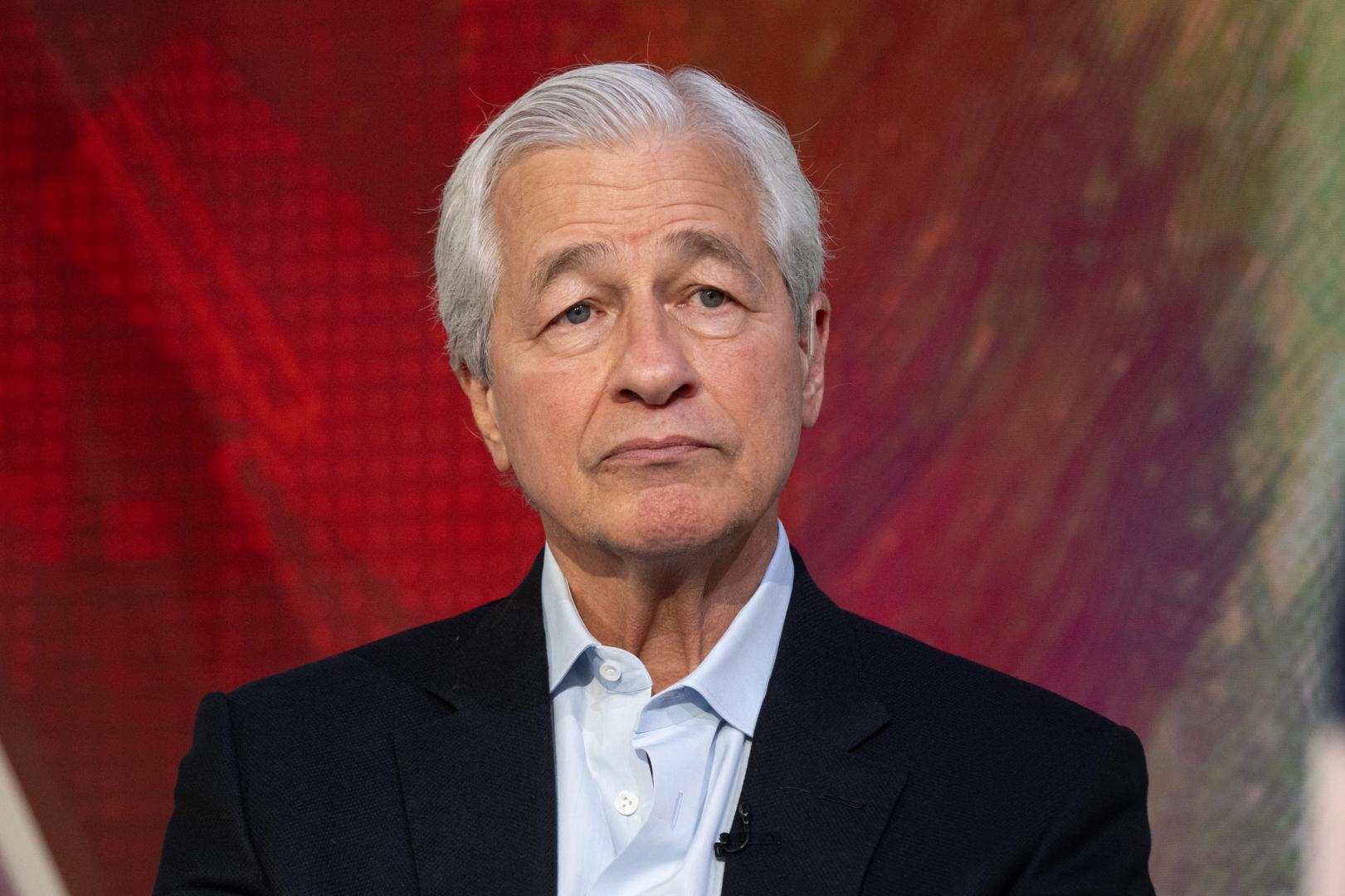
Dimon Demands Bank-Like Regulation for Stablecoin Interest, Igniting Crypto Debate
JPMorgan Chase CEO Jamie Dimon is intensifying the pressure on stablecoin issuers, arguing that those offering interest-bearing accounts should be subject to the same stringent regulations as traditional banks. This stance is reigniting a fierce debate within the crypto industry and among lawmakers regarding the future of digital asset regulation in the United States.

Anduril Eyes Soaring $60 Billion Valuation Amid Defense Tech Boom
Defense technology firm Anduril Industries, spearheaded by Palmer Luckey, is reportedly seeking a staggering $60 billion valuation in its latest funding round. This ambitious target arrives as the company navigates a complex landscape of increasing demand and heightened scrutiny within the defense sector.