PhonePe Postpones Highly Anticipated IPO Amidst Global Market Volatility
Key Takeaways
- PhonePe has shelved its IPO plans due to geopolitical tensions and volatile stock markets.
- The company maintains that the decision is unrelated to valuation concerns.
- Walmart and other early investors, like Tiger Global and Microsoft, were planning to partially or fully exit their stakes through the IPO.
- PhonePe is India's largest digital payments platform, surpassing Google Pay in transaction volume.
- The company's revenue is growing, but losses are also increasing as it invests in expansion.
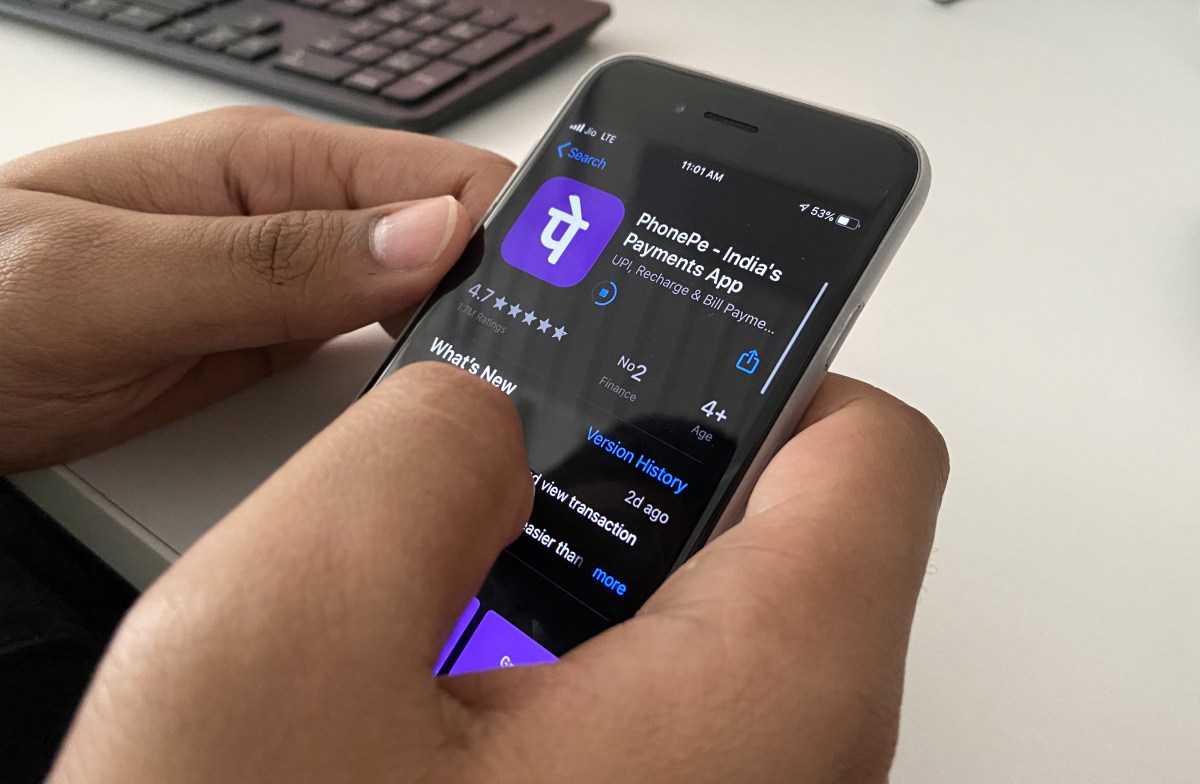
PhonePe, the dominant force in India's digital payments landscape, has announced a postponement of its highly anticipated IPO. The Bengaluru-based fintech giant, backed by Walmart, cited escalating geopolitical instability and the resulting volatility in global stock markets as the primary drivers behind the decision. This move reflects a cautious approach amidst growing uncertainty in the financial world.
The company emphasized that the decision to postpone the IPO was solely based on adverse market conditions and not driven by any internal concerns regarding its valuation. Recent rumors had suggested that investment bankers were advising a lower valuation than initially projected. A PhonePe spokesperson refuted these claims, asserting that the company remains confident in its intrinsic value and long-term growth prospects.
PhonePe's IPO was expected to be a significant event in the Indian financial market, potentially raising up to $1.5 billion and valuing the company around $15 billion. However, the recent downturn in Indian equity markets, triggered by international tensions, has dampened investor appetite for new listings. The Nifty 50 and BSE Sensex, key Indian market indices, have experienced notable declines, further contributing to the decision to delay.
The IPO was also poised to provide an exit opportunity for several early investors in PhonePe. According to previously filed documents, major stakeholders such as Tiger Global and Microsoft were planning to divest their entire holdings. Walmart, the majority owner, intended to offload a portion of its shares while retaining overall control. This potential shift in ownership dynamics adds another layer of complexity to the postponed IPO.
Founded in 2015, PhonePe rapidly ascended to become India's leading digital payments platform, surpassing even Google Pay in transaction volumes. The company's success is largely attributed to its integration with the Unified Payments Interface (UPI), a government-backed system that has revolutionized digital transactions in India. In February 2026, PhonePe processed a staggering 9.3 billion transactions, highlighting its widespread adoption among Indian consumers.
While primarily known for its digital payments services, PhonePe has strategically diversified its offerings in recent years. The company now provides a range of financial services, including stockbroking and mutual fund investments. Furthermore, it has launched an Android app store, positioning itself as a competitor to Google's Play Store, demonstrating its ambition to become a comprehensive digital platform.
PhonePe's financial performance reveals a mixed picture of strong revenue growth coupled with increasing losses. In the six months ending September 2025, revenue from operations increased by 22%. However, losses also widened during the same period, reflecting the company's ongoing investments in expanding its services and acquiring new customers. This growth-at-all-costs strategy is common among rapidly expanding tech companies, but requires careful management to ensure long-term sustainability.
Why it matters
PhonePe's decision to postpone its IPO reflects the fragility of market confidence in the face of global uncertainty. It signals a broader trend of companies reassessing their listing plans amid volatile economic conditions. The delay also has implications for early investors seeking liquidity and highlights the challenges of navigating the current complex financial landscape for high-growth tech companies, even those with strong market positions.
David Kim
Business CorrespondentAnalyzing market trends and corporate strategies. detailed insights into the business world.
Read Also

OpenAI's Enterprise Push: ChatGPT Reimagined as a Productivity Powerhouse Ahead of Potential IPO
As OpenAI eyes a potential public offering by year's end, the company is doubling down on its enterprise strategy, transforming ChatGPT into a core productivity tool. This strategic shift aims to capture a larger share of the lucrative business market amid intensifying competition from rivals like Google and Anthropic.

Mastercard's $1.8B Stablecoin Play: A Race to Redefine Global Payments
Mastercard is making a bold move to solidify its position in the future of finance. The acquisition of BVNK signals a definitive shift: stablecoins are no longer a fringe crypto experiment, but a critical component of the global payment infrastructure.

Fuse Secures $25M to Ignite AI Revolution in Credit Union Lending
The lending landscape for US credit unions is poised for a seismic shift. Fuse, an AI-native loan origination system (LOS) provider, has just landed $25 million in Series A funding to modernize the outdated technology hampering these vital community financial institutions.

Google and Accel's India AI Accelerator Shuns 'AI Wrapper' Startups in Favor of Deep Innovation
The Google-Accel India AI accelerator program has chosen its latest cohort, signaling a shift away from superficial AI applications. Investors are increasingly wary of startups that merely repackage existing AI models, seeking truly innovative solutions that leverage AI's potential for fundamental change.