Prediction Market Meltdown: Iran Conflict Bets Spark Ethics Debate and Regulatory Firestorm

Key Takeaways
- Prediction markets are under fire for allowing bets on sensitive geopolitical events, including potential war with Iran and even nuclear detonations.
- Polymarket removed markets related to nuclear detonations after online backlash, but the controversy highlights a broader debate about the ethical boundaries of prediction markets.
- US lawmakers are proposing legislation to restrict or prohibit markets resolving on military actions, regime change, or deaths, citing concerns about insider trading and incentivizing conflict.
- Kalshi previously faced criticism and issued refunds for a market related to the death of Iran's Supreme Leader.
- The Commodity Futures Trading Commission (CFTC) regulates some prediction markets, but the industry's rapid growth and global reach pose challenges for effective oversight.
The controversy surrounding prediction markets has reached a fever pitch, ignited by the possibility of wagering on scenarios surrounding a potential Iran war. The ability to place bets on events ranging from regime change to the unthinkable – nuclear detonations – has triggered a wave of ethical concerns and calls for greater regulatory oversight. These platforms, which allow users to predict the outcomes of diverse events, are now grappling with the implications of offering markets that touch upon matters of international security and human life.
Polymarket, a prominent player in the prediction market arena, recently removed markets that allowed users to bet on the timing of a nuclear detonation. This decision followed intense online criticism and came shortly after the platform reportedly displayed odds on social media indicating a significant probability of such an event occurring by year-end. While Polymarket has not explicitly stated the reason for the removal, the incident has cast a spotlight on the potential for these markets to be perceived as insensitive, exploitative, or even incentivizing harmful outcomes.
The debate extends beyond individual events, encompassing the broader ethical implications of allowing bets on geopolitical conflicts. Critics argue that such markets could be susceptible to manipulation, provide opportunities for insider trading, or even incentivize actions that could escalate tensions. The rapid growth of the prediction market industry, coupled with its global reach, poses significant challenges for regulators seeking to ensure fair and responsible operation.
US lawmakers are actively considering measures to address these concerns. Proposed legislation aims to restrict or prohibit markets that resolve on military actions, regime change, or deaths, with the goal of preventing the exploitation of classified information and discouraging actions that could exacerbate conflict. These legislative efforts reflect a growing awareness of the potential risks associated with prediction markets and a desire to establish clear boundaries for their operation.
Kalshi, another prominent prediction market platform, previously faced criticism for offering a market related to the death of Iran's Supreme Leader. The company ultimately issued refunds, citing regulations that prohibit wagers on death. This incident underscores the challenges that prediction markets face in navigating complex legal and ethical considerations.
The Commodity Futures Trading Commission (CFTC) serves as the primary regulator for US-based prediction markets. However, the industry's global nature and the presence of offshore platforms complicate the regulatory landscape. As prediction markets continue to evolve and expand, effective oversight will require collaboration between regulators, industry stakeholders, and policymakers to ensure that these platforms operate responsibly and ethically.
Why it matters
The controversy surrounding prediction markets and their handling of Iran-related bets highlights the need for a serious ethical and regulatory reckoning within the industry. The ability to wager on events with profound geopolitical consequences raises fundamental questions about the role of these platforms in society and the potential for unintended consequences. Stricter regulation, increased transparency, and a greater emphasis on ethical considerations are crucial to ensuring that prediction markets serve a beneficial purpose without undermining international security or exploiting human suffering.
David Kim
Business CorrespondentAnalyzing market trends and corporate strategies. detailed insights into the business world.
Read Also
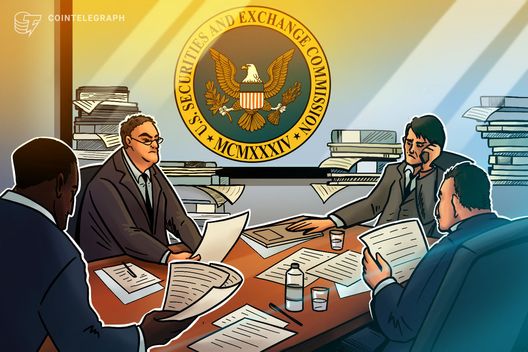
Crypto Regulation Crossroads: Coin Center Urges SEC to Ditch Piecemeal Approach for Comprehensive Rules
Is the SEC's current strategy of 'no-action' letters creating a fragmented and uneven playing field for crypto innovators? Coin Center, a leading crypto policy think tank, argues the SEC needs to shift gears and prioritize clear, overarching regulations to foster a fair and transparent market.

SEC Explores 'Safe Harbor' for Crypto: A Potential Game-Changer for Innovation?
The Securities and Exchange Commission is considering establishing 'safe harbor' exemptions for cryptocurrency companies, potentially offering a pathway to regulatory clarity and fostering innovation. This move could significantly alter the landscape for crypto startups seeking to raise capital within the US.

Prediction Market Kalshi Faces Criminal Charges in Arizona, Igniting Regulatory Firestorm
The burgeoning prediction market, Kalshi, is under intense legal scrutiny in Arizona, facing criminal charges that allege illegal gambling practices. This escalation marks a significant turning point in the ongoing battle between states and these innovative, yet controversial, platforms.
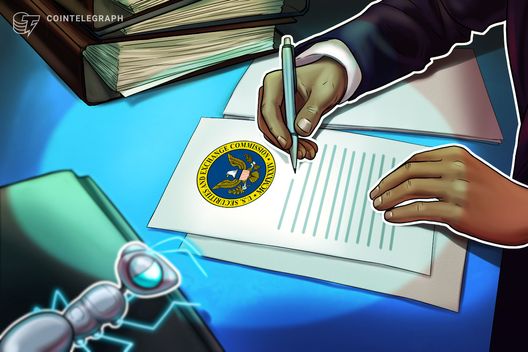
SEC Signals Shift: Most Crypto Assets Escape Securities Regulation
In a move signaling a potentially seismic shift in cryptocurrency oversight, the SEC has indicated it will treat the majority of crypto assets as non-securities under federal law. This interpretive guidance, a first step since collaborating with the CFTC, aims to clarify the regulatory landscape amidst ongoing legislative efforts to define digital asset market structures.