Revolut Freezes Accounts of EU-Based Russians Over Old CIS Transfers, Sparking Controversy
Revolut, a popular fintech company offering banking and financial services, is facing criticism for allegedly blocking accounts held by Russian citizens living in the European Union. According to reports, the platform is specifically targeting accounts with a history of transactions originating from CIS countries – a group of former Soviet republics including Russia, Belarus, Kazakhstan, and others. The news, initially reported by Oninvest, indicates that if Revolut's system detects what it deems to be “Russian origin of money,” it may freeze the account in question.
The account freezes are purportedly linked to enhanced compliance checks aimed at preventing money laundering and sanctions evasion, especially in light of the ongoing geopolitical tensions involving Russia and the war in Ukraine. Financial institutions are under increasing pressure from regulatory bodies to rigorously monitor transactions and flag suspicious activities. Revolut, like other financial services providers, is required to comply with Know Your Customer (KYC) and Anti-Money Laundering (AML) regulations.
The reported actions have sparked outrage among affected users, who claim that the account freezes are discriminatory and unfairly target Russian citizens regardless of their current residency or financial standing. Many argue that simply having a history of transfers from CIS countries should not be grounds for automatically freezing an account, especially if the funds were legitimately earned and properly declared.
The situation highlights the complexities faced by financial institutions in navigating international sanctions and compliance requirements. Balancing the need to prevent illicit financial activity with the rights of individual users is a significant challenge. The definition of “Russian origin of money” remains unclear, and users are concerned about the lack of transparency in Revolut's decision-making process.
While Revolut has not issued a specific statement addressing these particular cases, the company generally maintains that it adheres to all applicable laws and regulations. The company typically cites security protocols as the reason behind account freezes, and encourages users to provide necessary documentation to resolve any issues. However, this process can be lengthy and frustrating for those who are caught in the crosshairs.
This incident raises questions about the future of financial services for individuals from certain regions, particularly those perceived as high-risk due to geopolitical factors. It underscores the need for greater transparency and fairness in the application of compliance measures, as well as a more nuanced understanding of individual circumstances. The long-term impact of these actions on Revolut's reputation and its relationship with its user base remains to be seen.
Marco Rodriguez
Startup ScoutFinding the next unicorn before it breaks. Passionate about innovation and entrepreneurship.
Read Also

Mastercard's $1.8B Stablecoin Play: A Race to Redefine Global Payments
Mastercard is making a bold move to solidify its position in the future of finance. The acquisition of BVNK signals a definitive shift: stablecoins are no longer a fringe crypto experiment, but a critical component of the global payment infrastructure.

Fuse Secures $25M to Ignite AI Revolution in Credit Union Lending
The lending landscape for US credit unions is poised for a seismic shift. Fuse, an AI-native loan origination system (LOS) provider, has just landed $25 million in Series A funding to modernize the outdated technology hampering these vital community financial institutions.
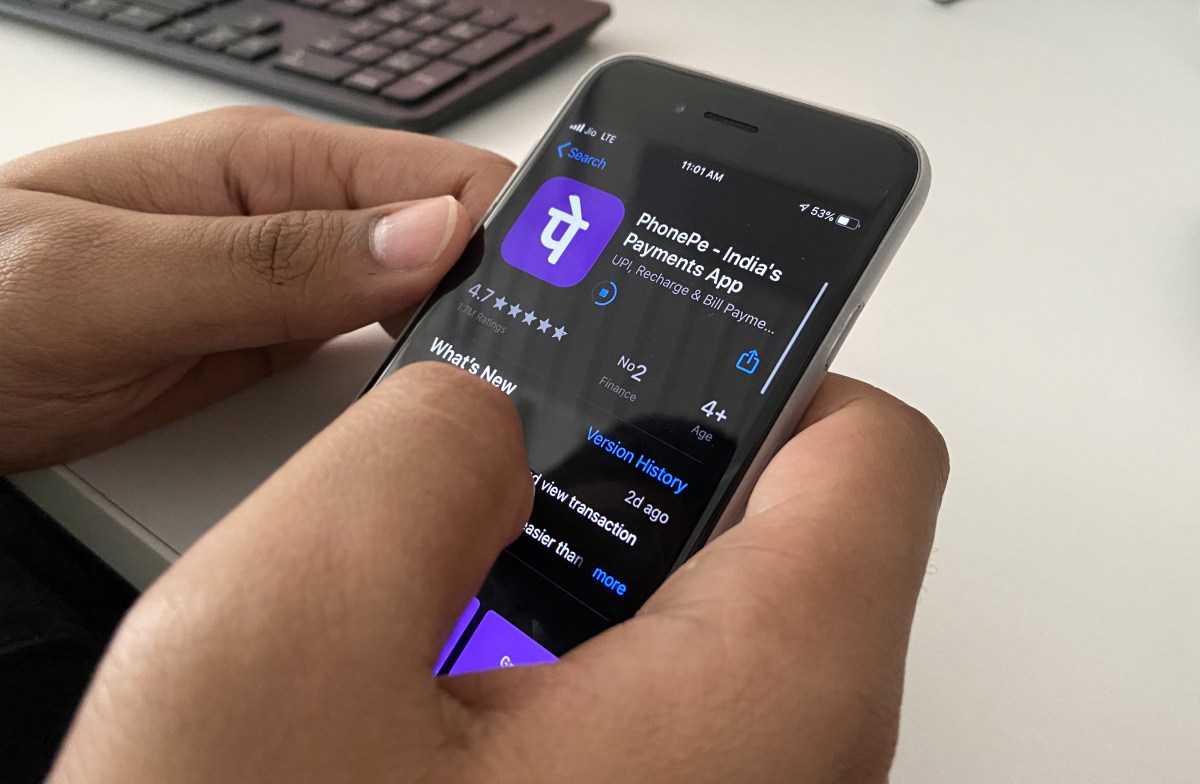
PhonePe Postpones Highly Anticipated IPO Amidst Global Market Volatility
India's leading digital payments giant, PhonePe, has decided to delay its planned initial public offering (IPO), citing turbulent global economic conditions. The move comes despite the company's strong growth and market dominance, highlighting the sensitivity of IPO plans to geopolitical events and investor sentiment. The Walmart-backed fintech firm remains committed to going public when the climate improves.
Stablecoin Regulation: Banks Face Existential Threat as Crypto Firms Thrive in Regulatory Limbo
The current regulatory landscape surrounding stablecoins presents a significant challenge for traditional banks, potentially hindering their ability to compete with agile cryptocurrency firms. As banks grapple with compliance, crypto companies are poised to capitalize on the ambiguity, potentially siphoning off deposits and market share.