Russian Savings Surge to 13-Year High as Consumers Tighten Belts Amid Economic Uncertainty
Data released by Rosstat reveals a significant trend: Russian citizens channeled a substantial 14.1% of their income into savings in 2025, translating to 18.46 trillion rubles. This marks the highest savings rate in 13 years, dating back to 2013. Concurrently, the proportion of income spent on consumption dropped to 70%, a noticeable decrease from the 74.5% recorded the previous year. This shift in financial behavior suggests a growing caution among Russian consumers, who are prioritizing savings amid economic uncertainties.
Economists attribute this surge in savings to the Central Bank of Russia's (CBR) monetary policy, which has maintained a high key interest rate for an extended period. Higher interest rates make saving more attractive, as individuals can earn a greater return on their deposits. This strategy, intended to combat inflation and stabilize the economy, appears to be influencing consumer behavior in a tangible way. However, it may also be indicative of a lack of confidence in immediate economic prospects, prompting individuals to prioritize financial security over spending.
Meanwhile, the Russian Ministry of Digital Development, Communications and Mass Media (Mintsifry) is reportedly in discussions with mobile operators regarding the allocation of 5G frequencies. A proposal being considered involves granting frequencies without an auction, contingent upon operators committing to providing 5G coverage to cities with populations exceeding one million by 2031. Industry insiders estimate that deploying 5G in major cities could be achieved within five years, but they also express concerns about the return on investment, given the substantial infrastructure costs involved.
The business community is voicing concerns over potential restrictions on hiring highly qualified foreign specialists (HQFS). The Ministry of Finance is considering raising the minimum salary requirement for HQFS to 717,000 rubles. Business leaders argue that such a high threshold would effectively "kill the HQFS institution," as such salaries are uncommon even for Russian professionals and unrealistic for regional employers. The Russian Union of Industrialists and Entrepreneurs (RSPP) is advocating for a more moderate approach, warning that the proposed increase could stifle innovation and economic growth.
On the cybersecurity front, research by F6, a company specializing in fraud prevention, reveals that the average amount successfully stolen by scammers per incident is approximately 20,000 rubles. Alarmingly, over 94% of these incidents are attributed to social engineering tactics, where victims are manipulated into transferring funds to criminals under duress or deception. Phishing attacks targeting bank card data account for only about 4% of fraudulent activities, highlighting the prevalence and effectiveness of social engineering scams.
The Russian tourism sector experienced moderate growth in 2025, with the number of guests staying in Russian hotels increasing by 4.1% year-on-year to 89.05 million, according to Rosstat. The total revenue of accommodation facilities rose by 11.7% to 1.16 trillion rubles. Regional markets demonstrated the most significant growth, with Karachay-Cherkessia experiencing a 2.4-fold increase in visitors and the Tver region seeing a nearly 50% increase. Conversely, popular destinations like Krasnodar Krai and Dagestan witnessed a decline in demand, potentially due to increased competition from emerging regional markets.
Finally, in the financial markets, investment banks facilitated the placement of nearly 6.2 trillion rubles in market-based corporate bonds in 2025, surpassing the record-breaking performance of 2024 by 38%, according to Cbonds. Market participants predict that the volume of placements could exceed 12 trillion rubles in 2026, indicating strong investor appetite for corporate debt.
Marco Rodriguez
Startup ScoutFinding the next unicorn before it breaks. Passionate about innovation and entrepreneurship.
Read Also

Bitrefill Targeted by Lazarus Group Cyberattack: Customer Data and Funds at Risk
Cryptocurrency e-commerce platform Bitrefill has confirmed a sophisticated cyberattack, pointing fingers at the notorious North Korean hacking collective, Lazarus Group. The breach exposed sensitive customer purchase records and led to a loss of funds, highlighting the persistent vulnerability of even security-conscious crypto businesses.

St. Petersburg Braces for Mobile Internet Disruptions Amid Security Concerns
Mobile internet services in St. Petersburg, Russia, are facing potential disruptions as authorities cite security measures. While the exact nature and duration remain unclear, the Kremlin has linked the anticipated outages to ensuring public safety.

Google's $32B Wiz Acquisition: A Venture Capitalist's Inside Perspective on a Historic Deal
Google's record-breaking $32 billion purchase of Wiz signals a major shift in cloud security and AI integration. A leading investor reveals the strategic thinking behind the deal, highlighting Wiz's unique position and the founders' exceptional leadership as key drivers of the acquisition.
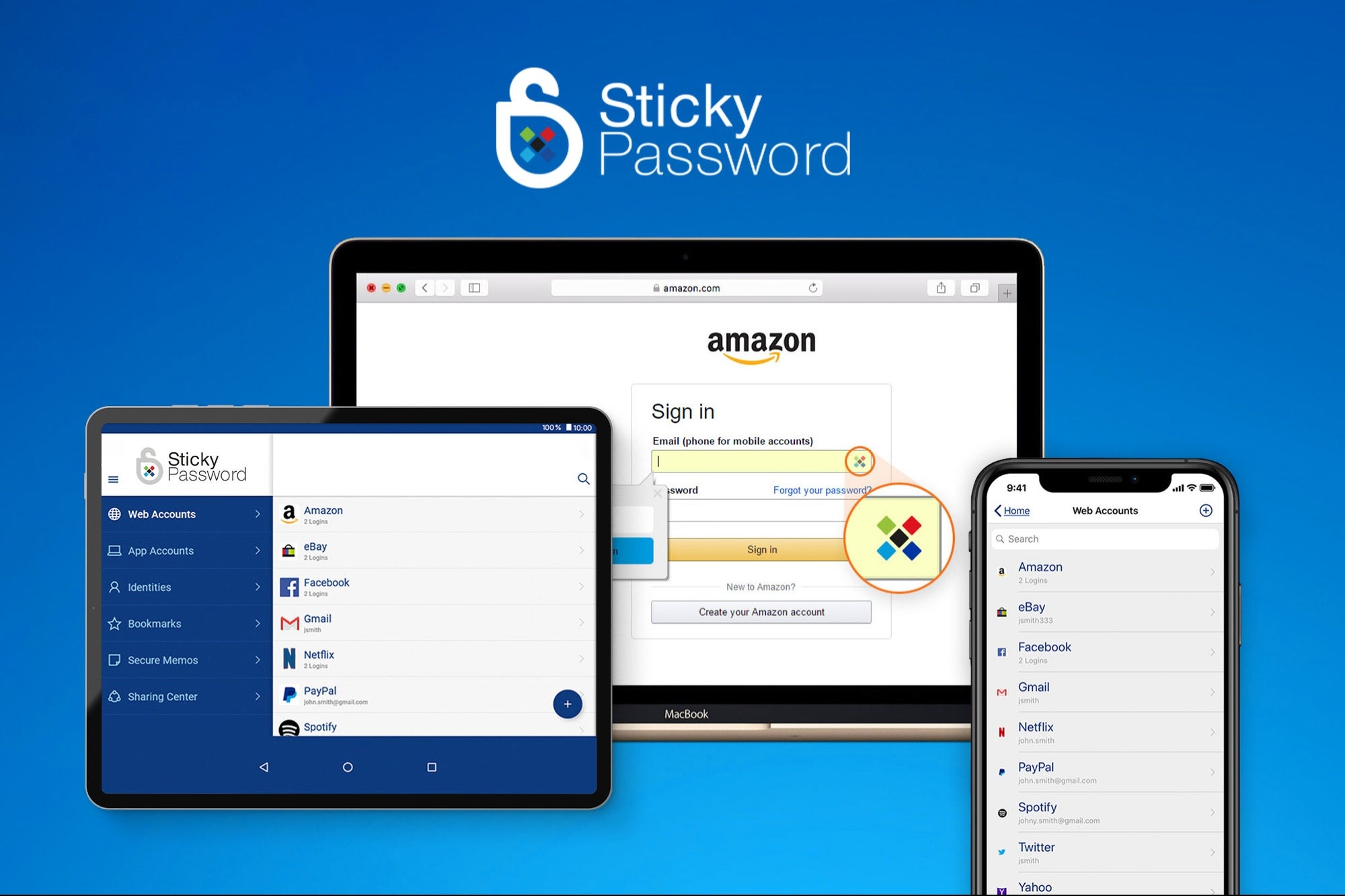
Fortify Your Startup: Lifetime Password Security for the Price of Lunch
In today's digital landscape, a single compromised password can cripple a business. Secure your sensitive data and streamline team access with a robust password manager, now available at an unprecedented price.