Sanctioned Stablecoin A7A5 Eyes Global Expansion Despite U.S. Restrictions
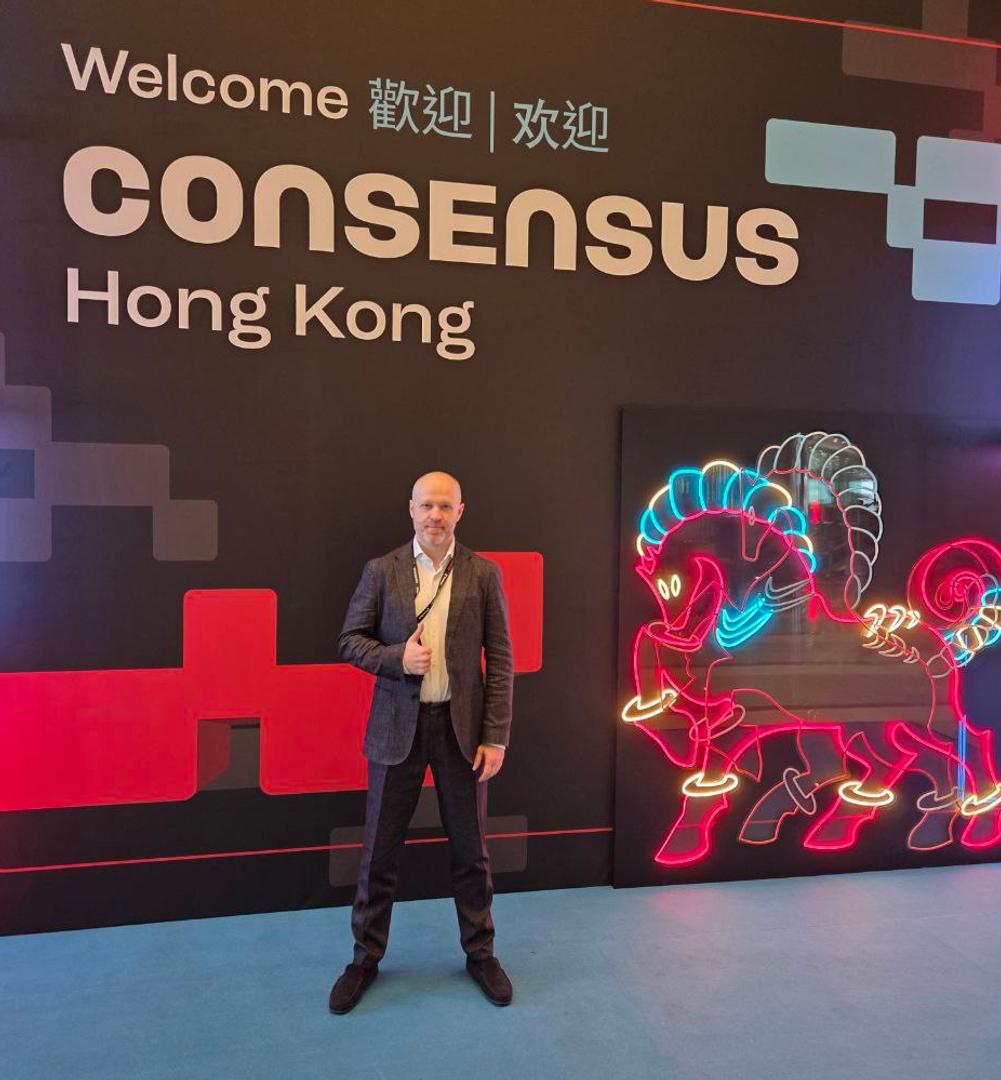
A7A5, the issuer of a Ruble-denominated stablecoin, finds itself in a unique position: sanctioned by the U.S. Treasury yet experiencing rapid growth. Oleg Ogienko, A7A5's director for Regulatory and Overseas Affairs, recently spoke at Consensus Hong Kong, defending his company's operations and outlining ambitious plans for global expansion. The core of A7A5's defense lies in its assertion of full compliance with Kyrgyz regulations, where it is incorporated, coupled with robust KYC and AML procedures. Ogienko emphasizes that A7A5 operates within the legal frameworks of its jurisdiction and adheres to Financial Action Task Force (FATF) principles.
However, the U.S. sanctions against A7A5's issuing entities (Old Vector LLC and A7 LLC) and its reserve bank, Promsvyazbank (PSB), present a significant hurdle. These sanctions effectively cut off A7A5 from the U.S. dollar-dominated financial system. While facilitating cross-border payments for Russian entities facing banking restrictions isn't illegal in Kyrgyzstan or Russia, it places A7A5 in a gray area, particularly concerning potential sanctions evasion.
Paradoxically, the sanctions have become a growth catalyst for A7A5. With Russian companies facing increasing difficulties in international transactions, the demand for alternative payment solutions has surged. A7A5 provides a route into USDT liquidity through DeFi protocols without directly holding dollar stablecoins, offering a workaround for sanctioned entities. Last year, A7A5's circulating supply ballooned by almost $90 billion, surpassing the growth of industry giants USDT and USDC.
Ogienko acknowledges the challenges posed by sanctions, including limited access to Western goods and services. However, he maintains that these restrictions have not stifled business activity. Instead, they have created a niche market where A7A5 is in high demand, particularly from businesses in Asia, Africa, and South America trading with Russian entities. These regions represent A7A5's primary target market for future growth.
Despite the growth, liquidity remains a challenge. Centralized exchanges are hesitant to list A7A5 due to the risk of secondary sanctions, which could impact their own operations. DeFi liquidity pools offer an alternative, but available liquidity is currently limited. To address this, Ogienko is actively seeking partnerships with exchanges and other blockchain platforms to expand A7A5's reach and accessibility.
The company already operates on the Tron and Ethereum blockchains and is exploring expansion to other networks. While A7A5 wasn't a sponsor at Consensus Hong Kong, its presence stirred unease among some organizers and sponsors, highlighting the sensitivity surrounding sanctioned entities. A similar incident occurred at Token2049 in Singapore, where references to A7A5 were removed after concerns from other sponsors. Despite these obstacles, Ogienko remains determined to expand A7A5's market share, aiming for it to handle over 20% of Russia's trade settlements with other countries.
Curiously, A7A5 cannot currently be used within Russia itself, as stablecoin regulations are still under development. Ogienko reports ongoing communication with Russian authorities, focusing on blockchain regulation and financial infrastructure. He emphasizes A7A5's neutrality and openness to business cooperation with any country, framing the company as a facilitator of trade rather than a political actor. The future success of A7A5 will depend on its ability to navigate the complex regulatory landscape, build trust with international partners, and maintain its growth trajectory despite the ongoing challenges posed by U.S. sanctions.
Michelle Ross
Crypto Market LeadTracking the blockchain revolution since 2013. HODLing through the highs and lows.
Read Also

SEC Explores 'Safe Harbor' for Crypto: A Potential Game-Changer for Innovation?
The Securities and Exchange Commission is considering establishing 'safe harbor' exemptions for cryptocurrency companies, potentially offering a pathway to regulatory clarity and fostering innovation. This move could significantly alter the landscape for crypto startups seeking to raise capital within the US.

Stratton Thwarts Crypto-Fueled Challenge in Illinois Senate Primary Upset
In a closely watched Illinois Senate primary, Lieutenant Governor Juliana Stratton secured a decisive victory over Representative Raja Krishnamoorthi, despite a massive influx of crypto-backed funding supporting her opponent. The outcome signals a potential shift in the influence of digital currency interests in state-level elections.

Bitrefill Targeted by Lazarus Group Cyberattack: Customer Data and Funds at Risk
Cryptocurrency e-commerce platform Bitrefill has confirmed a sophisticated cyberattack, pointing fingers at the notorious North Korean hacking collective, Lazarus Group. The breach exposed sensitive customer purchase records and led to a loss of funds, highlighting the persistent vulnerability of even security-conscious crypto businesses.
SEC Signals Shift: Most Crypto Assets Escape Securities Regulation
In a move signaling a potentially seismic shift in cryptocurrency oversight, the SEC has indicated it will treat the majority of crypto assets as non-securities under federal law. This interpretive guidance, a first step since collaborating with the CFTC, aims to clarify the regulatory landscape amidst ongoing legislative efforts to define digital asset market structures.