Stratechery Analysis: Amazon's Capital Expenditure Surge Raises Eyebrows Amid AI Investment
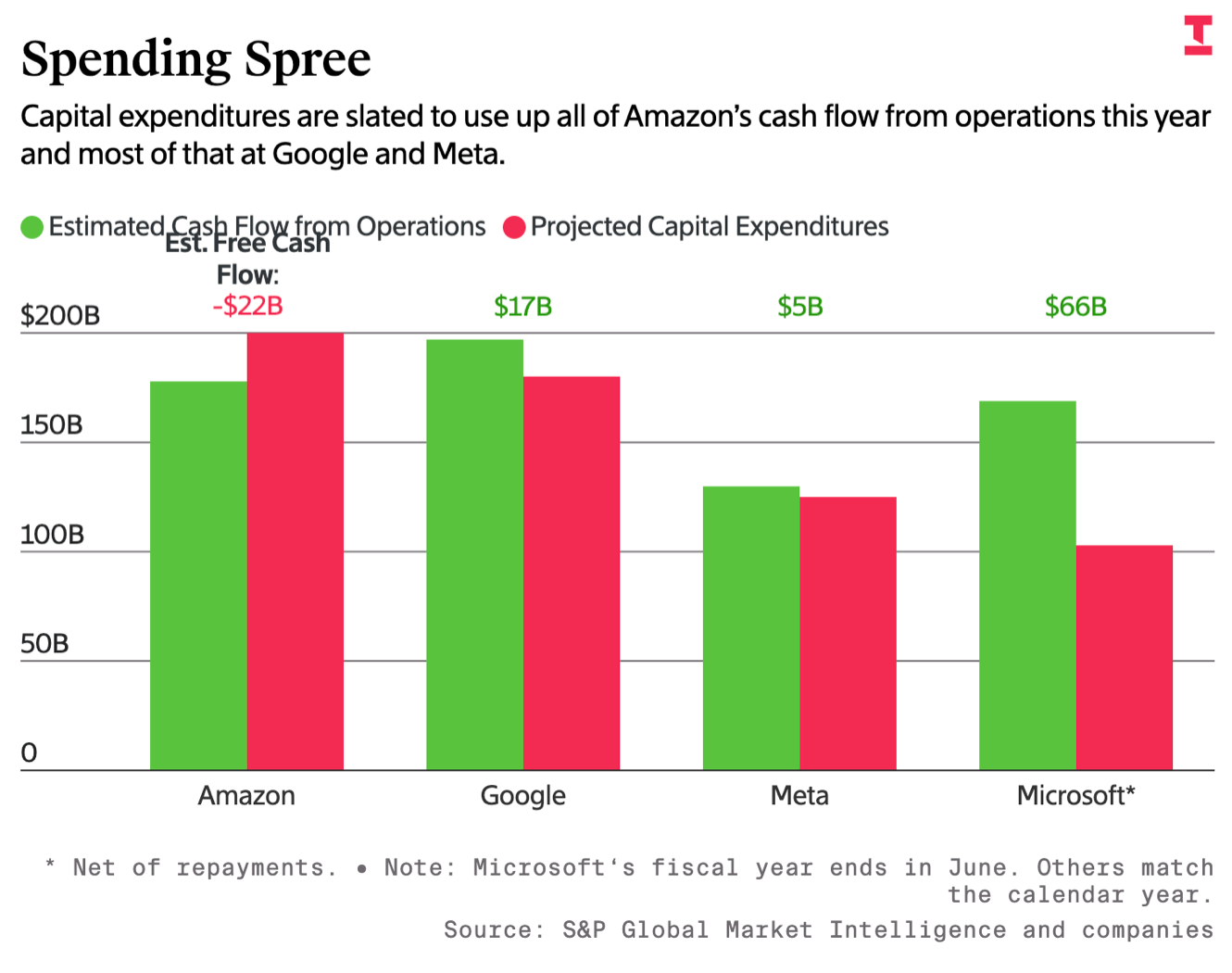
A recent update from Stratechery, penned by Ben Thompson, highlights growing apprehension surrounding Amazon's significant increase in capital expenditure (CapEx). While the specific figures and context are behind the Stratechery Plus paywall, the brief mention suggests the rise is substantial enough to warrant concern, exceeding even the CapEx increases seen at companies like Google.
The anxiety, as implied, stems from the potential implications of such heavy investment. CapEx typically reflects investments in long-term assets, such as property, plant, and equipment. In Amazon's case, this could relate to expanding its fulfillment network, bolstering its cloud infrastructure (AWS), or making significant strides in new technological areas.
While Thompson acknowledges the potential justifications for this increased spending, the underlying concern likely revolves around the return on investment. Are these investments truly generating the revenue and profit growth needed to justify the massive outlay? Or could Amazon be overextending itself, potentially facing challenges in the future if these bets don't pay off as expected?
One area of intense investment likely contributing to this CapEx surge is artificial intelligence (AI). Amazon has been aggressively pursuing AI capabilities across its various business units, from improving the efficiency of its fulfillment centers to enhancing the functionality of Alexa and developing new AI-powered services for AWS. This push into AI requires substantial investment in compute infrastructure, data storage, and specialized talent, all of which drive up CapEx.
The Stratechery analysis also implicitly compares Amazon's situation to that of Google. While Google has also been investing heavily in AI and infrastructure, the implication is that Amazon's CapEx increase is disproportionately large, perhaps reflecting a greater sense of urgency or a different strategic approach. The mention of "commodity AI" might suggest that Amazon is investing in underlying AI infrastructure rather than solely focusing on application-level AI.
The full Stratechery Plus analysis likely unpacks the specific areas where Amazon is allocating its capital, examining the potential risks and rewards of each investment. The key takeaway is that Amazon's ambitious growth plans, driven in part by the need to compete in the rapidly evolving AI landscape, are requiring a significant increase in capital expenditure, which raises questions about long-term profitability and financial stability.
David Kim
Business CorrespondentAnalyzing market trends and corporate strategies. detailed insights into the business world.
Read Also

Pentagon Flags Anthropic as 'Unacceptable Risk' to National Security in AI Supply Chain Dispute
The U.S. government has escalated its concerns regarding Anthropic, a leading AI company, by officially labeling it an 'unacceptable risk' to national security. This designation stems from fears that Anthropic might prioritize its own objectives over national interests, particularly in times of conflict, sparking a legal battle over supply chain security.

AI Showdown: Justice Department Accuses Anthropic of Security Risk, Threatening Lucrative Defense Contracts
The U.S. government is digging in its heels against Anthropic, claiming the AI firm poses a significant security risk to national defense. This legal battle could cost Anthropic billions and reshape the landscape of AI adoption within the military.

Mistral's Bold Gambit: Empowering Enterprises with Bespoke AI
French AI startup Mistral is challenging the dominance of OpenAI and Anthropic with a novel approach: providing enterprises with the tools to build their own custom AI models. The new 'Forge' platform allows businesses to train AI from scratch, using their proprietary data, promising greater control and relevance.

AI's Shadow Over Software Valuations: Thoma Bravo's Bravo Sounds the Alarm
The rise of artificial intelligence is poised to reshape the software landscape, potentially triggering a correction in valuations. Orlando Bravo, co-founder of Thoma Bravo, a major player in software investment, warns that some companies are ripe for disruption, while others are unfairly penalized.