Trump's Crypto Push: Banks Accused of Sabotaging Landmark 'Clarity Act'

Key Takeaways
- Donald Trump accuses banks of attempting to sabotage the Clarity Act, a key piece of crypto legislation.
- The Clarity Act aims to provide regulatory clarity for the crypto market and prevent the industry from moving overseas.
- Banks are reportedly concerned about potential deposit flight to crypto platforms offering yield on stablecoins.
- The White House has been facilitating negotiations between banking and crypto representatives to resolve the dispute.
- The future of the Clarity Act remains uncertain as legislative deadlines approach.
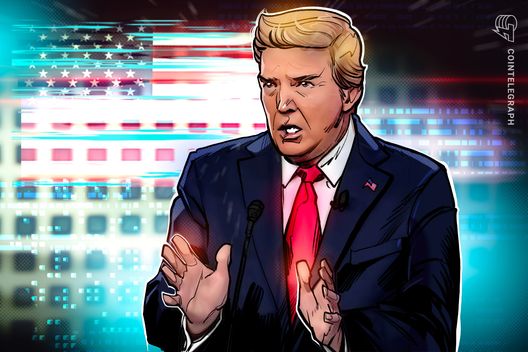
Former President Donald Trump has re-entered the financial policy fray, alleging that banks are deliberately trying to weaken the Clarity Act, a significant piece of legislation he championed last year. In a recent post, Trump asserted that these financial institutions are prioritizing their own record profits over the broader interests of the American people and the burgeoning crypto industry.
At the heart of the matter is a disagreement over whether crypto platforms should be permitted to offer yield on stablecoin deposits. Banks express apprehension that allowing companies like Coinbase to offer such incentives could lead to a mass exodus of deposits from traditional banking institutions, potentially destabilizing the financial sector. Crypto firms, on the other hand, argue that individuals should have the right to earn returns on their digital asset holdings, a practice they claim was implicitly authorized under previous legislation.
The Clarity Act, intended to provide a clear regulatory framework for the crypto market, has been stalled in Congress, facing significant opposition and delays. The Senate Banking Committee's postponement of a key hearing in January underscored the deep divisions and unresolved issues surrounding the bill. The delay raises concerns that the U.S. could fall behind other nations in embracing and regulating the rapidly evolving crypto landscape.
The White House has been actively involved in efforts to mediate between the banking and crypto industries, facilitating discussions and circulating draft language in an attempt to bridge the gap. Despite these efforts, a comprehensive agreement has yet to be reached, and time is running out as legislative deadlines loom and the political calendar becomes increasingly crowded with upcoming elections.
Adding another layer of complexity, World Liberty Financial, a company with ties to the Trump family, has its own stablecoin, USD1, and has sought a trust charter from the Office of the Comptroller of the Currency (OCC) for an affiliated entity. The OCC recently issued a proposed rule emphasizing the need for clarity in contracts between stablecoin issuers and third-party associates, although it stopped short of explicitly prohibiting yield payouts.
Trump's intervention in the crypto debate represents a notable shift in focus following recent U.S. military actions in the Middle East. His renewed emphasis on financial policy highlights the ongoing importance of the crypto industry and its potential impact on the American economy.
Why it matters
The passage or failure of the Clarity Act will have significant ramifications for the future of the cryptocurrency industry in the United States. If the bill is successfully enacted, it could provide much-needed regulatory clarity, fostering innovation and attracting investment. Conversely, if the bill remains stalled or is significantly weakened, it could drive crypto companies and talent overseas, hindering the U.S.'s ability to compete in the global digital economy and potentially ceding ground to countries like China.
Michelle Ross
Crypto Market LeadTracking the blockchain revolution since 2013. HODLing through the highs and lows.
Read Also

Trump's Former Advisor Urges U.S. Government to Move Beyond Lip Service on Bitcoin
David Bailey, ex-crypto advisor to Donald Trump, contends that mere 'liking' Bitcoin isn't sufficient for the U.S. government. He emphasizes the need for concrete action and policy to foster Bitcoin's growth, beyond just verbal support.

Bitcoin's Resilience Tested: ETF Inflows Fuel Recovery Amid Geopolitical Uncertainty
Bitcoin is demonstrating surprising resilience, rebounding towards $68,000 amidst a complex interplay of factors. Institutional investment, particularly through Bitcoin ETFs, appears to be a significant driver, offsetting anxieties stemming from global geopolitical tensions and cautious derivatives markets.

Australia's $17 Billion Crypto Opportunity: Regulatory Hurdles Threaten Digital Asset Boom
Australia stands to gain a massive AUD 24 billion annually by embracing tokenized markets and digital assets, but current regulatory bottlenecks are stifling progress. A new report highlights the urgent need for clearer guidelines and collaborative frameworks to unlock the nation's full potential in the evolving digital finance landscape.
Trump Slams Banks, Urges Deal on Crypto Legislation Amid Stablecoin Yield Dispute
Former President Donald Trump has publicly rebuked banking institutions for allegedly hindering the progress of vital crypto legislation concerning stablecoins. He insists banks should collaborate with the crypto industry to advance the interests of the American people.