Unlocking Brand Consistency: Mastering AI Imagery with Midjourney's Hidden Techniques
Key Takeaways
- Minimize text prompting: Rely on visual cues like style references and personalization codes.
- Style References (SREFs) often outperform mood boards by providing more direct style guidance.
- Personalization codes are crucial for creating your unique aesthetic.
- Editorial and camera references serve as efficient prompting shortcuts.
- When troubleshooting, remove problematic elements entirely instead of trying to fix them.
- Utilize AI routing: employ different tools for specific tasks to leverage their individual strengths.
- Understand the AI's perspective to improve outcomes.
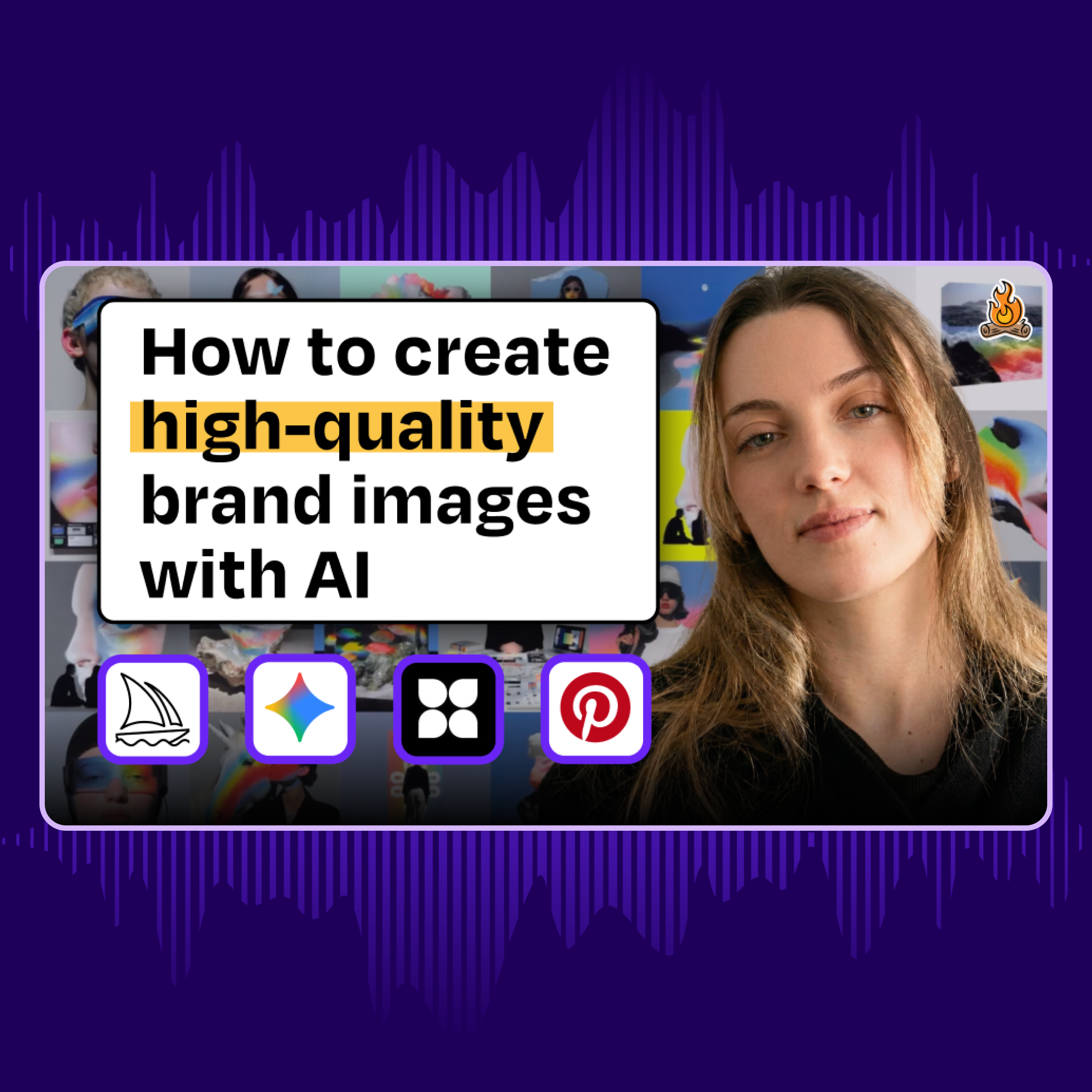
In the ever-evolving landscape of AI-driven content creation, maintaining brand consistency can be a significant challenge. The latest episode of 'How I AI' tackles this head-on, featuring AI creative director Jamey Gannon, who shares her refined workflow for generating high-quality, consistent brand imagery within Midjourney. Gannon's approach emphasizes visual communication over lengthy text prompts, offering a practical solution for businesses seeking to harness AI's power without sacrificing their unique brand identity.
Gannon advocates for minimizing text prompting, favoring visual cues such as style references and personalization codes. She explains that instead of crafting intricate descriptions, leveraging existing visual styles and carefully curated image preferences can yield far superior results. This method allows for a more intuitive and efficient interaction with the AI, streamlining the creative process and reducing the potential for misinterpretation.
A key insight from the episode is the power of Style References (SREFs). Gannon argues that SREFs often outperform traditional mood boards, as they provide more direct and focused style guidance to Midjourney. Mood boards, with their diverse range of styles, can lead to an averaging effect, diluting the desired aesthetic. SREFs, on the other hand, offer a clear and concise visual direction, ensuring a more consistent output.
Personalization codes are another critical element in Gannon's workflow. By meticulously rating images during the personalization process, users can create codes that consistently deliver their preferred style. Gannon advises being selective and mindful of potential "style bleeding," ensuring that only desirable elements are incorporated into the code.
The episode also highlights the effectiveness of editorial and camera references as prompting shortcuts. Instead of describing complex aesthetics, simply referencing well-known publications or camera models can instantly communicate desired lighting, composition, and style. This approach leverages Midjourney's existing knowledge base, saving time and effort while ensuring accurate results.
When faced with problematic elements, Gannon recommends a direct approach: remove the offending element entirely. Rather than attempting to fix it through prompting, simply eliminate the source of the issue, whether it's an image from the references or a distracting element within the scene. This often proves more effective than iterative prompting and leads to quicker resolution.
Finally, Gannon emphasizes the importance of AI routing – utilizing different tools for specific tasks. She uses Midjourney for initial creation, Nano Banana for editing specific elements, and Flora for packaging and delivering brand imagery. Each tool's unique strengths contribute to a more efficient and refined workflow.
Why it matters
Gannon's workflow offers a practical and accessible path for businesses of all sizes to leverage AI for brand consistency. By shifting the focus from complex text prompts to visual communication, she democratizes the creative process, empowering users to generate stunning, on-brand imagery without requiring extensive technical expertise. This approach has the potential to revolutionize brand management, allowing businesses to create a cohesive visual identity across all platforms with greater ease and efficiency.
Alex Chen
Senior Tech EditorCovering the latest in consumer electronics and software updates. Obsessed with clean code and cleaner desks.
Read Also
Unlock Brand Consistency: AI-Powered Image Generation Secrets Revealed
Struggling to maintain a unified visual identity across your brand? Learn how AI-driven techniques, spearheaded by creative director Jamey Gannon, can revolutionize your brand's image creation process. Discover the power of style references, streamlined workflows, and targeted image refinement for captivating, consistent visuals.

Seedance 2.0 Unleashes Hyper-Realistic Feline Film Stars, Outpacing Google and OpenAI in Visual Fidelity
A fresh wave of AI-generated content is captivating social media, trading human actors for startlingly realistic animal counterparts. Seedance 2.0, a new model, is spearheading this trend, particularly with its ability to create convincing feline recreations of iconic movie scenes, surpassing image quality achieved by tech giants.
Luminar Neo Lifetime Bundle: AI-Powered Photo Editing Suite Aims to Democratize Professional Visuals for Businesses
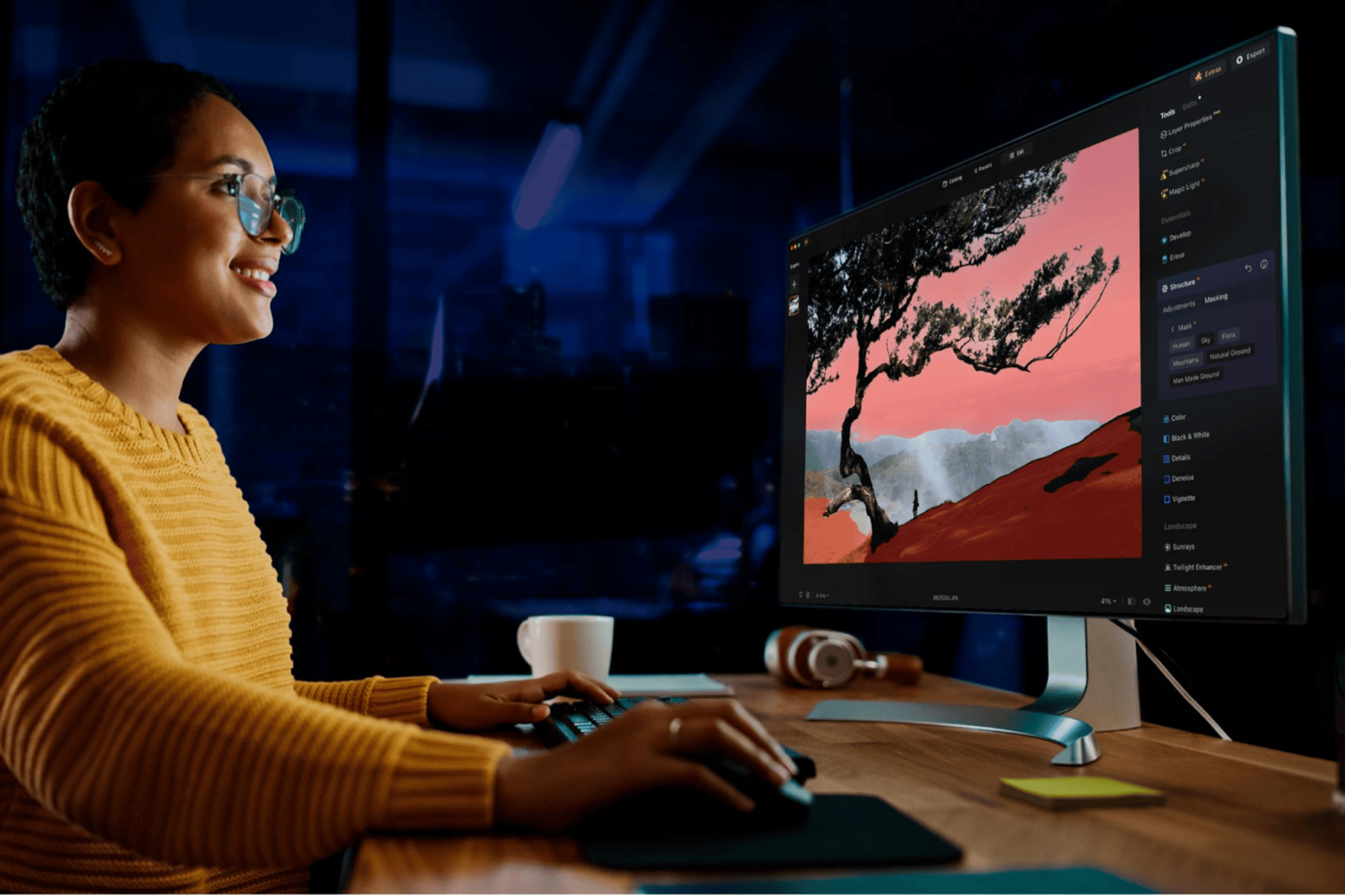
In today's visual-centric marketplace, high-quality images are crucial for brand credibility and customer conversion. The Luminar Neo Lifetime Bundle offers an AI-powered solution designed to empower businesses of all sizes to create professional-grade visuals without the expense of a dedicated creative team. This comprehensive suite combines advanced photo editing tools with intelligent automation, streamlining workflows and ensuring brand consistency across all platforms.