Unstick Your Team: The Waterline Model for Diagnosing Performance Bottlenecks
Key Takeaways
- The Waterline Model is a diagnostic tool to identify the root causes of team underperformance, starting with structural issues and moving towards individual problems.
- It emphasizes 'snorkeling before scuba diving' – addressing surface-level systemic issues (structure and dynamics) before focusing on interpersonal or individual concerns.
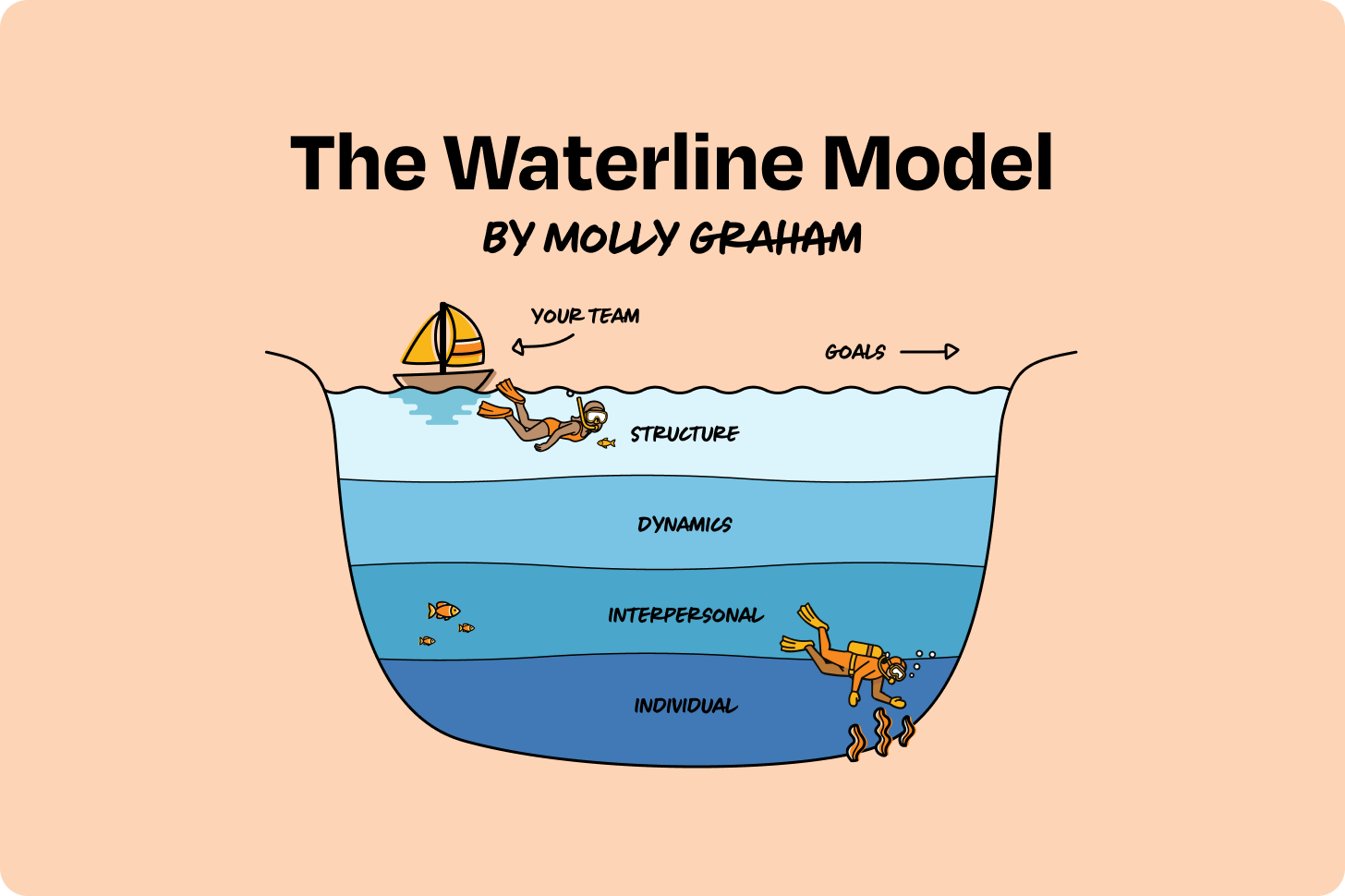
- The model identifies four levels where problems typically arise: structure (goals, roles), dynamics (decision-making, conflict resolution), interpersonal (trust, conflict), and individual (skills, stress).
- Addressing structural issues often resolves more problems than anticipated, leading to improved team performance without unnecessary personnel changes.
Many leaders grapple with the frustration of a team that isn't meeting expectations, even when goals seem clear. The immediate reaction is often to attribute the problem to individual performance or interpersonal conflicts. However, a more effective approach involves a systematic diagnosis of the underlying issues. The Waterline Model provides a structured framework for pinpointing the true source of team dysfunction.
This model, refined through experiences at companies like Google, Facebook, and various fast-growing startups, encourages leaders to first examine the 'structure' – the foundational elements that define how the team operates. This includes clarifying the team's vision, goals, individual roles, and expectations. A surprising number of performance issues stem from a lack of clarity in these areas.
The next layer to investigate is 'dynamics' – how the team collaborates, makes decisions, resolves conflicts, and shares information. Even with clear goals and roles, a team can struggle if decision-making is bottlenecked, conflict is poorly managed, or information flow is restricted. These dynamics shape the team's culture and its ability to execute effectively.
Only after thoroughly assessing structure and dynamics should leaders delve into 'interpersonal' issues, such as tension between team members or a lack of trust. While these issues are significant, they are often symptoms of deeper structural or dynamic problems. Addressing the root cause can often alleviate interpersonal friction.
Finally, the model considers 'individual' factors, such as skill gaps, stress levels, and personal challenges. While these factors can certainly impact performance, they should be addressed only after ruling out systemic issues. Focusing solely on individual performance without addressing structural or dynamic problems can lead to a cycle of frustration and ineffective solutions.
The Waterline Model's core principle, 'snorkel before you scuba,' emphasizes the importance of starting with the most readily accessible and impactful issues – the structural and dynamic elements that affect the entire team. By addressing these systemic problems first, leaders can often unlock significant improvements in team performance and avoid unnecessary personnel changes.
Why it matters
The Waterline Model offers a practical and effective approach to diagnosing team performance issues. By systematically examining the different levels – structure, dynamics, interpersonal, and individual – leaders can identify the root causes of dysfunction and implement targeted solutions. This model moves beyond blaming individuals and focuses on creating a more effective and supportive team environment, ultimately leading to improved results.
David Kim
Business CorrespondentAnalyzing market trends and corporate strategies. detailed insights into the business world.
Read Also

Escape the Entrepreneurial Grind: How Strategic 'Slack' Fuels Sustainable Success
Chasing perpetual motion can cripple even the most promising ventures. Discover how high-achieving entrepreneurs are strategically building downtime into their businesses, not as a luxury, but as a critical tool for long-term growth and preventing burnout.

Unleash Your Inner Visionary: Why Imagination, Not Just Optimization, Fuels Entrepreneurial Success
In an era dominated by AI and data-driven decisions, entrepreneurs risk stifling the very quality that sets them apart: imagination. Reclaiming this creative power isn't reckless; it's a strategic imperative for building truly innovative and impactful businesses.

The Trust Deficit: Leadership Blind Spots Eroding Employee Confidence in the Age of AI
In an era defined by artificial intelligence and relentless change, trust is the most valuable currency for leaders. This article uncovers the subtle yet potent ways leaders inadvertently sabotage employee trust and offers a roadmap for rebuilding it through transparency, consistency, and genuine engagement.

The Resilience Revolution: How Mental Well-being is Fueling Unstoppable Business Performance
In today's high-stakes business environment, a company's success hinges not just on branding or digital prowess, but on the mental and emotional fortitude of its employees. Forward-thinking leaders are recognizing that prioritizing internal well-being is no longer a perk, but a strategic imperative that directly impacts the bottom line.