Wall Street Giants Charge Towards Blockchain: Nasdaq and NYSE Parent Firm Target Tokenized Equity Revolution

Key Takeaways
- Nasdaq and ICE are partnering with crypto exchanges to tokenize traditional equities, aiming for a unified, always-on marketplace.
- The move is driven by the potential for continuous price discovery, increased liquidity, and more efficient lending and borrowing through DeFi.
- Regulatory clarity from the SEC and growing demand from both traditional finance and crypto users are fueling this transformation.
- Analysts predict massive growth in tokenized assets, potentially reaching $18.9 trillion by 2033 across all asset classes.
- The evolving relationship between traditional exchanges and crypto-native platforms presents both opportunities and challenges.
The world's leading stock exchanges are making a decisive push into the realm of digital assets. Nasdaq and Intercontinental Exchange (ICE), the parent company of the New York Stock Exchange, are actively developing frameworks to tokenize equities, effectively placing them on blockchains. This initiative aims to unlock a new era of market efficiency and accessibility.
Nasdaq's approach involves creating a system that allows publicly listed companies to issue blockchain-based versions of their shares while maintaining existing ownership rights and governance structures. To achieve global distribution of these tokenized securities, they are collaborating with Payward, the parent company of the Kraken cryptocurrency exchange. This offering is projected to be operational by the first half of 2027.
ICE, meanwhile, recently made a strategic investment in the OKX crypto exchange, valuing the company at $25 billion. This partnership includes plans to introduce tokenized stocks and crypto futures, allowing ICE to tap into OKX's extensive user base of 120 million. These developments indicate a significant shift towards a more interconnected and accessible financial landscape.
The appeal of tokenizing equities lies in the potential for round-the-clock trading and enhanced liquidity. Unlike traditional stock markets, which operate during fixed hours, blockchain-based assets can be traded continuously, potentially attracting more capital and reducing market volatility. Moreover, tokenized shares can be used as collateral in decentralized finance (DeFi) lending markets, unlocking new financing opportunities and increasing capital efficiency.
A crucial factor accelerating this trend is the recent SEC Staff Statement on Tokenized Securities, which clarified that tokenized equities hold the same legal standing as their traditional counterparts. This regulatory clarity provides Wall Street with the legal certainty needed to actively participate in the tokenized equity market. The race is now on to determine which platforms will dominate this evolving landscape, pitting traditional exchanges against crypto-native venues.
The current market for tokenized equities, valued at approximately $1 billion, represents a small fraction of the global equity market. However, experts predict exponential growth in the coming years. A joint report by Boston Consulting Group and Ripple forecasts that tokenized assets could surge by 53% annually, reaching a staggering $18.9 trillion across all asset classes by 2033.
Why it matters
The move by Nasdaq and ICE to embrace blockchain technology signals a fundamental transformation in the financial industry. Tokenizing equities has the potential to democratize access to capital, improve market efficiency, and create new investment opportunities. As traditional exchanges and crypto platforms increasingly collaborate, the future of finance appears to be converging towards a unified, blockchain-powered ecosystem.
David Kim
Business CorrespondentAnalyzing market trends and corporate strategies. detailed insights into the business world.
Read Also

Moody's Breaks Ground: Credit Ratings Leap onto the Blockchain with Canton Network
In a move that could reshape institutional finance, Moody's is now delivering its trusted credit ratings directly onto the blockchain. This pioneering integration with the Canton Network marks a significant step towards bridging traditional risk assessment with the burgeoning world of decentralized finance.

Bitcoin's Ascent: ETF Investors Near Breakeven as Bullish Signals Flash
Bitcoin's resurgence above $70,000 is putting spot Bitcoin ETF investors on the cusp of profitability, potentially reigniting the crypto bull market. On-chain metrics and exchange data are aligning, suggesting a shift from selling pressure to renewed accumulation. Is this the start of the next major surge?
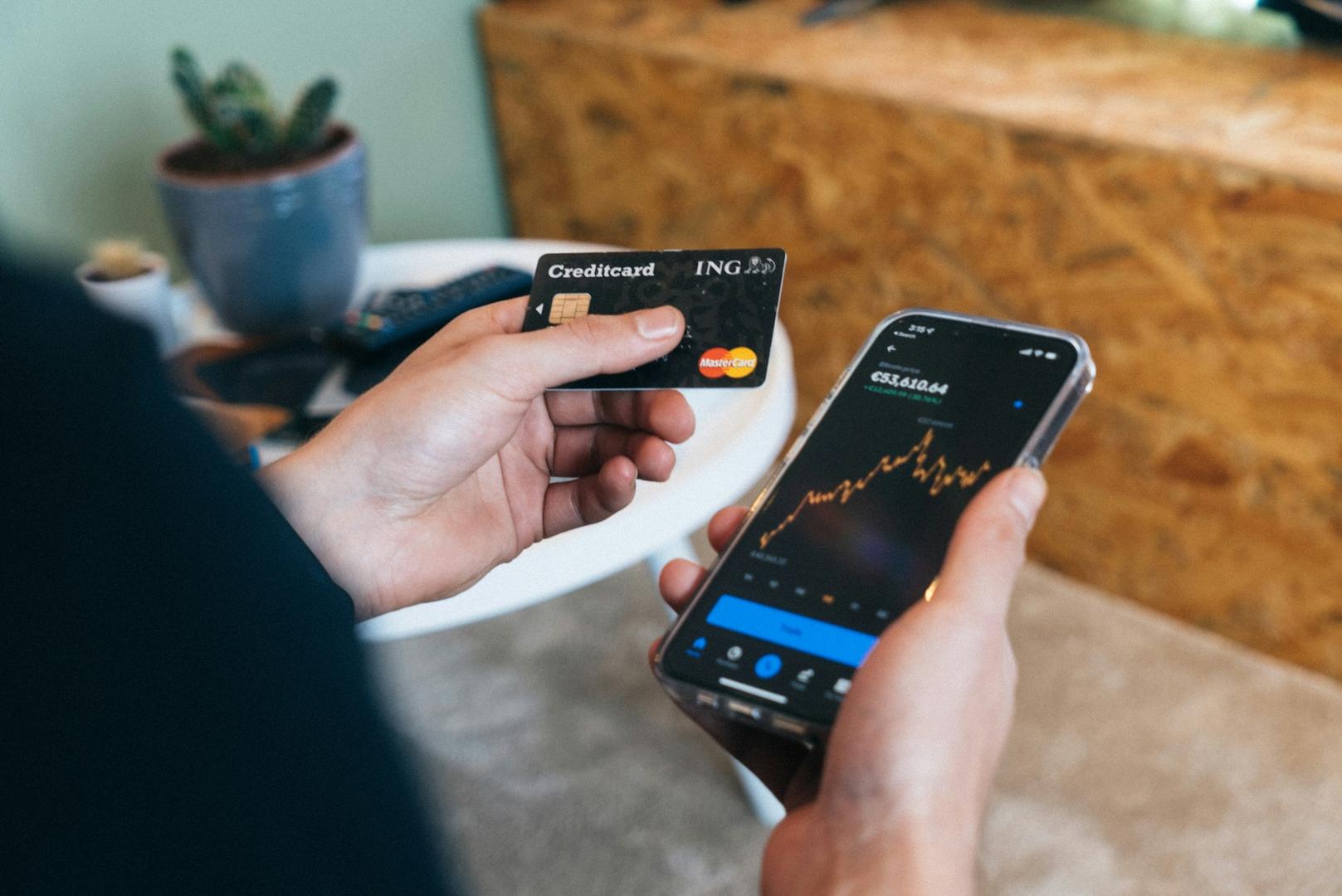
Mastercard's $1.8B Stablecoin Play: A Race to Redefine Global Payments
Mastercard is making a bold move to solidify its position in the future of finance. The acquisition of BVNK signals a definitive shift: stablecoins are no longer a fringe crypto experiment, but a critical component of the global payment infrastructure.

Mastercard's $1.8 Billion Crypto Leap: Acquires BVNK to Bridge Traditional Finance and Blockchain
In a monumental move signaling the growing convergence of traditional finance and the digital asset space, Mastercard is set to acquire stablecoin infrastructure provider BVNK for a potential $1.8 billion. This acquisition positions Mastercard at the forefront of integrating blockchain-based payment systems, paving the way for wider adoption of stablecoins and tokenized deposits.