OpenFang: A New Dawn for Open-Source Agent Operating Systems

Key Takeaways
- OpenFang is an open-source agent operating system designed to facilitate the creation and execution of AI agents.
- The platform encourages community collaboration and aims to lower the barrier to entry for developers interested in agent technology.
- Resources for OpenFang, including discussion forums and project links, are readily available online.
A novel entrant into the rapidly evolving landscape of artificial intelligence, OpenFang presents itself as an open-source agent operating system. This initiative seeks to empower developers and researchers by providing a freely accessible platform for building and deploying intelligent agents.
Unlike proprietary systems that often come with restrictive licenses and high costs, OpenFang champions a collaborative approach. By making the source code openly available, the project aims to foster a vibrant community of contributors who can collectively enhance the system's capabilities and address its limitations. This open development model promises faster innovation and broader adoption.
The core concept behind OpenFang is to simplify the process of creating and managing AI agents. It likely provides a set of tools and libraries that abstract away the complexities of underlying hardware and software, allowing developers to focus on the specific intelligence and behavior of their agents. This could involve features such as task scheduling, resource allocation, and inter-agent communication.
Details on the specific architecture and functionalities of OpenFang are still emerging. However, the project's initial announcement points to a focus on accessibility and ease of use. The availability of discussion forums and project links suggests a commitment to building a supportive community around the platform.
The open-source nature of OpenFang could lead to a wide range of applications across various industries. From automating routine tasks in business to enabling more sophisticated robotics in manufacturing, the possibilities are vast. Furthermore, the platform could serve as a valuable educational tool, allowing students and researchers to experiment with agent technology without the constraints of proprietary software.
While the long-term success of OpenFang will depend on its ability to attract and retain a strong community of contributors, its initial promise is undeniable. By democratizing access to agent operating system technology, OpenFang has the potential to unlock a new wave of innovation in the field of artificial intelligence.
Why it matters
OpenFang's emergence represents a significant step toward democratizing AI agent development. By providing an open-source alternative to proprietary systems, it can empower a wider range of developers and researchers to explore the potential of intelligent agents, accelerating innovation and fostering a more inclusive AI ecosystem.
Alex Chen
Senior Tech EditorCovering the latest in consumer electronics and software updates. Obsessed with clean code and cleaner desks.
Read Also

NEAR Co-founder Foresees AI Agents as the Unseen Masters of Blockchain Finance
The future of blockchain isn't speculative tokens, but rather a silent revolution powered by AI, according to NEAR Protocol's co-founder, Illia Polosukhin. He envisions a world where AI agents seamlessly manage our finances through blockchain, rendering complex crypto infrastructure invisible to the average user.
AI Agent Skills Honing Tool Emerges from Massive GitHub Dataset
A novel tool leveraging a vast repository of GitHub data is now available, promising to streamline the refinement of AI agent skills. This platform offers translation, refinement, and benchmarking capabilities, potentially revolutionizing the development and optimization of AI agents.
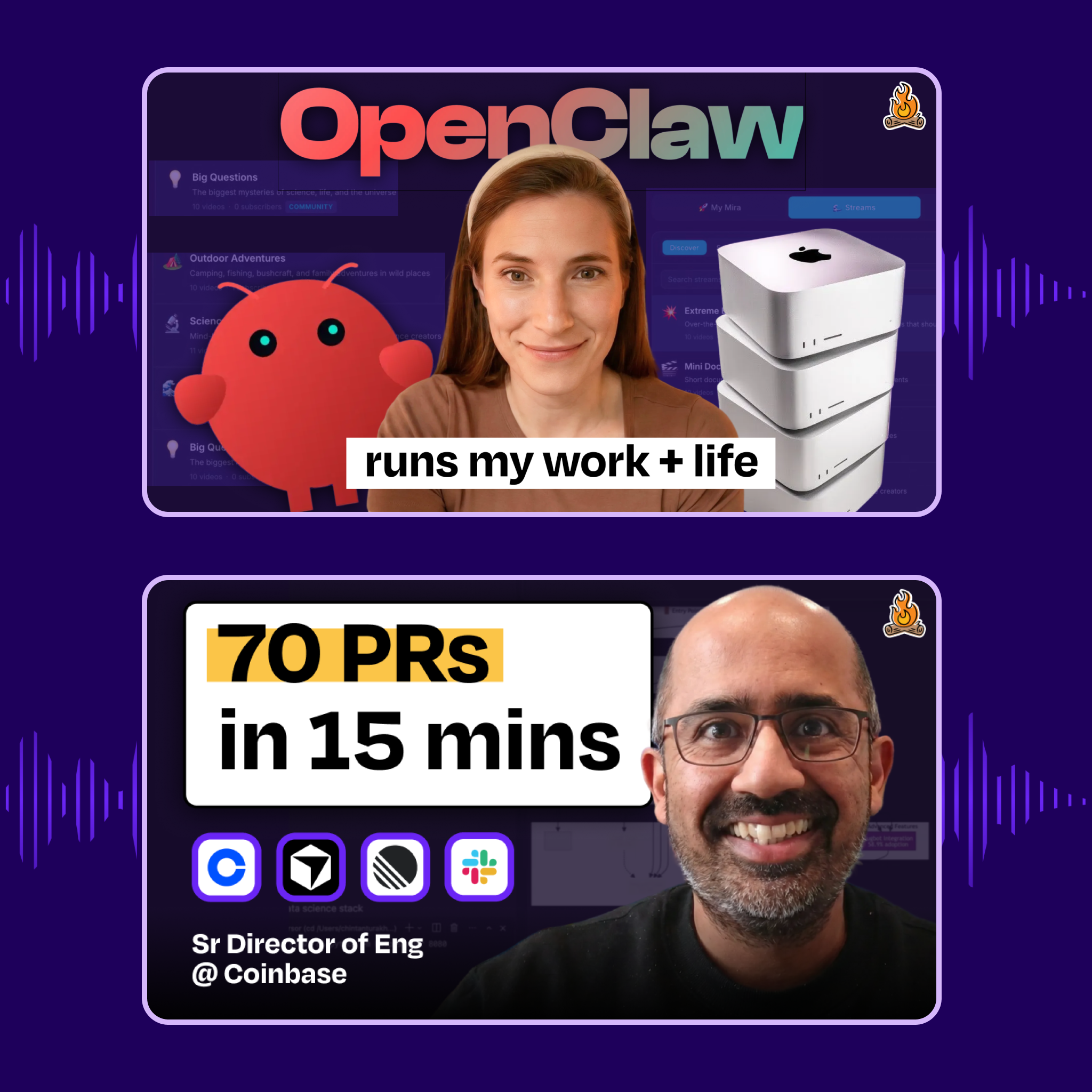
Unlocking AI Potential: From Homeschooling to Scaling AI Engineering at Coinbase
This week's 'How I AI' podcast unveils practical AI applications spanning personal and professional realms. Discover how one entrepreneur manages her life with AI agents, and how Coinbase scaled AI adoption across its engineering teams.
OpenAI Turbocharges AI Agents with Real-Time WebSocket API
OpenAI has unveiled a significant enhancement to its Responses API, promising substantial speed improvements and paving the way for more interactive and persistent AI agent experiences. This update introduces a WebSocket mode, enabling real-time communication and reducing latency for applications reliant on immediate AI feedback.