The Bold Truth: Martin Fowler Declares War on Excessive Typographical Emphasis
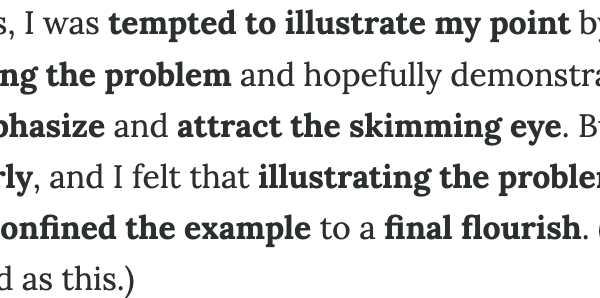
Martin Fowler, a renowned figure in software development and author of numerous influential books, has voiced a growing concern about the rampant overuse of bold text in technical and business writing. In a recent post, Fowler argues that the practice, seemingly amplified by the adoption of Large Language Models (LLMs), is counterproductive, diminishing the impact of emphasis and ultimately hindering effective communication.
Fowler contends that while various typographical tools exist to highlight key information – bold, italics, capitals, and underlines – bolding has become the primary offender. He draws a parallel between excessive capitalization and shouting, suggesting that its overuse reflects a lack of thoughtful consideration. Furthermore, Fowler notes that underlines are now primarily associated with hyperlinks, rendering them ineffective for emphasis. He also posits that the historical ease of using capitals and underlines on typewriters has contributed to their perception as less sophisticated forms of highlighting.
In contrast, Fowler advocates for the judicious use of italics as a more subtle and effective method of emphasis. He explains that italics, unlike bold text, do not immediately grab the reader's attention, allowing for a more nuanced highlighting of specific words or phrases within a larger context. This approach, he believes, encourages a deeper engagement with the text and a more meaningful understanding of the intended emphasis.
Fowler acknowledges the value of bold text in drawing the eye to key information, particularly in headings, where it aids in navigation and skimming. However, he cautions against its indiscriminate use within prose paragraphs. He suggests a more targeted approach, such as highlighting unfamiliar terms at the point of their explanation, a technique he attributes to Giarratano and Riley. This method, he argues, provides a quick reference point for readers who may encounter the term again later.
While acknowledging the potential benefit of bolding important sentences for quick skimming, Fowler ultimately finds this practice less effective than alternatives like callouts. Callouts, he explains, offer greater visual prominence and allow for more concise and impactful wording, as they are not constrained by the flow of the surrounding prose. Similarly, he criticizes the overuse of bold text in bulleted lists, arguing that the bullets themselves provide sufficient visual cues and that prose paragraphs often offer a more fluid and engaging reading experience.
Fowler's critique extends beyond mere aesthetics, suggesting a deeper concern about the impact of excessive typographical emphasis on the clarity and quality of technical communication. By diluting the power of bold text, writers risk overwhelming readers and obscuring the truly important information. His perspective serves as a valuable reminder to consider the purpose and impact of typographical choices, striving for a more balanced and effective approach to communication.
The implications of this trend are significant. As LLMs continue to shape writing practices, Fowler's warning highlights the importance of human oversight and critical thinking in ensuring clarity and effectiveness in communication. A reliance on automated tools should not come at the expense of well-reasoned and purposeful writing, especially in technical fields where precision and understanding are paramount. This perspective is a critical reminder for writers in technical fields to be judicious and thoughtful in their emphasis choices, ensuring their message is clear, concise, and impactful.
Alex Chen
Senior Tech EditorCovering the latest in consumer electronics and software updates. Obsessed with clean code and cleaner desks.
Read Also
Beyond the Grid: Exploring Communication Options When the Internet Goes Dark
As reliance on digital connectivity deepens, what happens when the internet fails? This article explores alternative communication methods, from modernized mesh networks to licensed amateur radio, offering a glimpse into a world where staying connected means thinking outside the box.

Unlock Global Success: Mastering Languages for Competitive Advantage
In today's interconnected world, language proficiency is no longer a luxury, but a strategic imperative for businesses. Bridging communication gaps can forge stronger relationships, accelerate growth, and unlock unprecedented opportunities in the global marketplace. Babbel offers a streamlined solution to gain this crucial advantage.

Motion Simplifies Screen Recording on Windows: A New Era of Effortless Communication
Motion presents a streamlined solution for capturing screen activity on Windows, offering a user-friendly approach to creating recordings. This new software aims to democratize screen recording, making it accessible to users of all technical skill levels.
The Broken Promise Effect: How Over-Commitment Decimates Customer Trust and Brand Value
In today's hyper-connected world, a single broken promise can trigger a cascade of negative consequences for businesses. More than just a missed deadline, it erodes customer loyalty, damages reputation, and ultimately impacts the bottom line. Mastering expectation management is no longer optional; it's a survival skill.