The Great Hesitation: AI Anxiety Freezes U.S. Workers in Place Despite Career Change Yearning
Key Takeaways
- Nearly half (43%) of U.S. workers express a desire to change careers this year, according to a FlexJobs survey.
- AI-driven disruption, fears of layoffs, and the persistent struggle for work-life balance are major catalysts for this desire.
- Despite the longing for change, the actual quit rate has plummeted, indicating a growing reluctance to leave current employment.
- Executive coaches attribute this trend to 'job hugging,' where workers feel trapped by uncertainty despite their dissatisfaction.
The American workforce finds itself at a crossroads. The mass exodus that defined the 'Great Resignation' has subsided, but a powerful undercurrent of career dissatisfaction persists. A recent FlexJobs survey reveals that a substantial 43% of U.S. workers are actively contemplating a career change within the year. This widespread yearning, however, is not translating into action.
Several factors contribute to this inertia. Foremost among them is the pervasive anxiety surrounding artificial intelligence. The rapid advancement of AI technologies is reshaping industries, leading to concerns about job security and the future of work. This uncertainty is particularly acute among white-collar professionals who previously enjoyed relative stability.
Executive coach Megan Hellerer, speaking to CNBC, aptly describes this phenomenon as the 'collapse of linear career paths.' Generative AI, in particular, poses a threat to roles traditionally considered safe, forcing workers to confront the need to adapt and acquire new skills. However, the lack of clarity regarding future opportunities leaves many feeling paralyzed.
Adding to the unease are persistent fears of layoffs amidst economic fluctuations and the ongoing struggle to achieve a healthy work-life balance. These pressures combine to create a climate of insecurity, making workers hesitant to abandon their current positions, even if they are deeply dissatisfied. The allure of the unknown is overshadowed by the perceived risks of venturing into uncharted territory.
The quit rate, a key indicator of workforce mobility, has dropped significantly from its peak during the 'Great Resignation.' In December, it reached a low of just 2%, a stark contrast to the 3% observed in 2021. This decline underscores the growing reluctance of workers to voluntarily leave their jobs, despite their underlying desire for change.
This 'job hugging' mentality, as some experts call it, reflects a workforce caught between aspiration and apprehension. Workers recognize the need to evolve and adapt to the changing landscape, but the lack of clear pathways and the fear of the unknown are holding them back. The result is a workforce that is both restless and reluctant, yearning for change but hesitant to embrace it.
Why it matters
This 'Great Hesitation' has significant implications for both individuals and the broader economy. For individuals, it can lead to decreased job satisfaction, burnout, and a sense of being trapped in unfulfilling roles. For the economy, it can stifle innovation and productivity, as workers are less likely to take risks or pursue new opportunities. Addressing this challenge requires a multi-pronged approach, including investments in workforce retraining, initiatives to promote work-life balance, and policies that foster a more stable and predictable economic environment. Ultimately, empowering workers to navigate the uncertainties of the AI era will be crucial to unlocking their potential and driving future economic growth.
David Kim
Business CorrespondentAnalyzing market trends and corporate strategies. detailed insights into the business world.
Read Also

AI Startup Valuations: The Two-Tiered Mirage of Unicorn Status
As the artificial intelligence sector intensifies, a controversial funding tactic is emerging: selling equity at dramatically different prices within the same round. This strategy, designed to project market dominance and achieve unicorn status quickly, raises questions about long-term sustainability and investor confidence.

Anduril Eyes Soaring $60 Billion Valuation Amid Defense Tech Boom
Defense technology firm Anduril Industries, spearheaded by Palmer Luckey, is reportedly seeking a staggering $60 billion valuation in its latest funding round. This ambitious target arrives as the company navigates a complex landscape of increasing demand and heightened scrutiny within the defense sector.
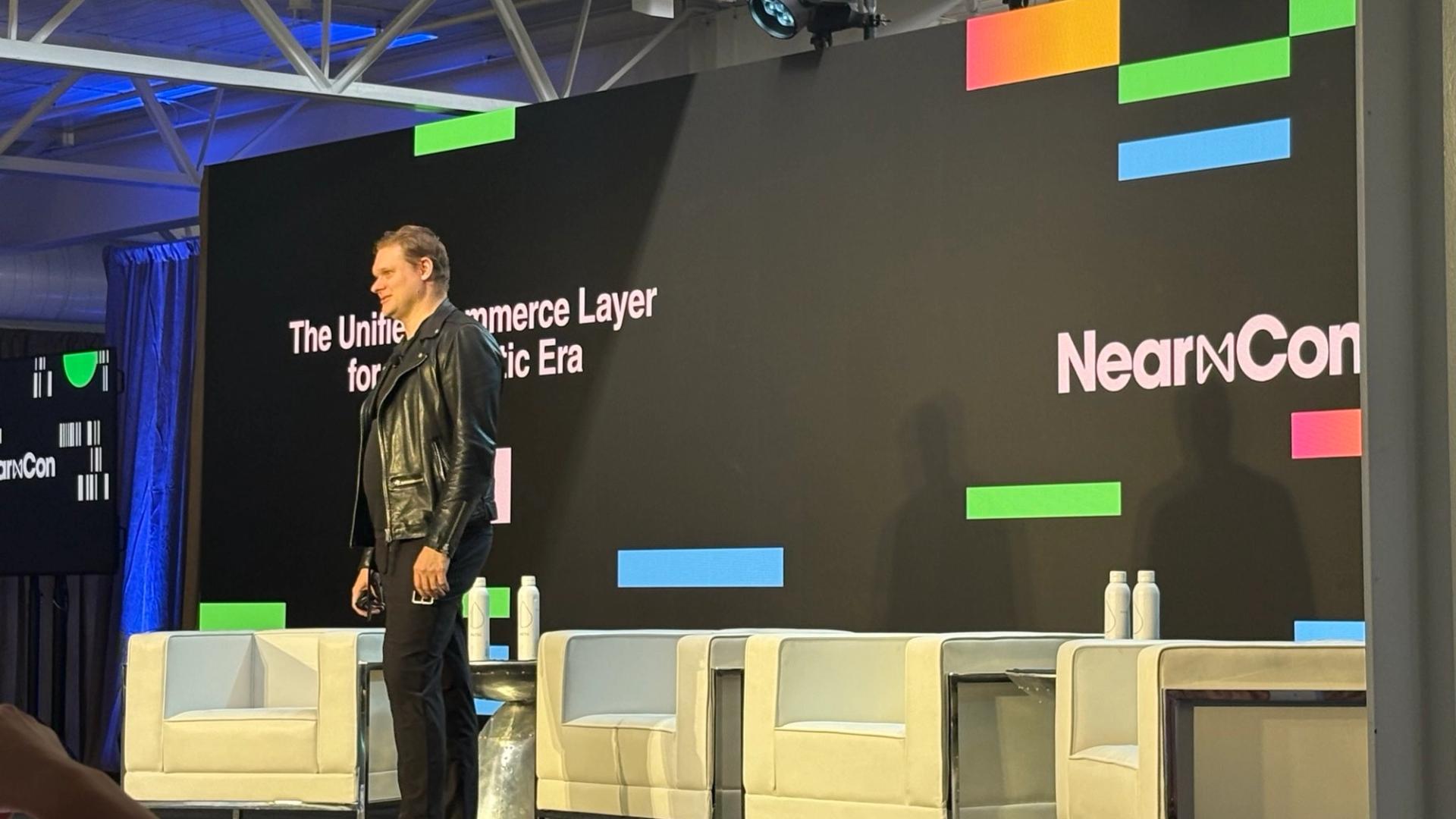
NEAR Co-founder Foresees AI Agents as the Unseen Masters of Blockchain Finance
The future of blockchain isn't speculative tokens, but rather a silent revolution powered by AI, according to NEAR Protocol's co-founder, Illia Polosukhin. He envisions a world where AI agents seamlessly manage our finances through blockchain, rendering complex crypto infrastructure invisible to the average user.

Anthropic's Pentagon Impasse: Blacklisting Sparks Debate Over AI Ethics and National Security
A standoff between AI startup Anthropic and the Department of Defense has ignited a firestorm over the ethical boundaries of AI deployment in national security. After tense negotiations, Anthropic was blacklisted by the U.S. government, raising questions about the future of AI collaboration with defense agencies.